
I walked out of Avatar: Fire and Ash with one question stuck in my head: why does it feel so different from the Avatar movies I thought I knew? Now that we are in 2026 and the film has been in the world since December 19, 2025, I have had time to sit with James Cameron's choices—especially the way he rewrote Jake Sully's relationship with weapons and the Na'vi way of fighting. Spoiler warning for Fire and Ash, because I am going to talk about the third act, Payakan, Toruk, and the Metkayina.
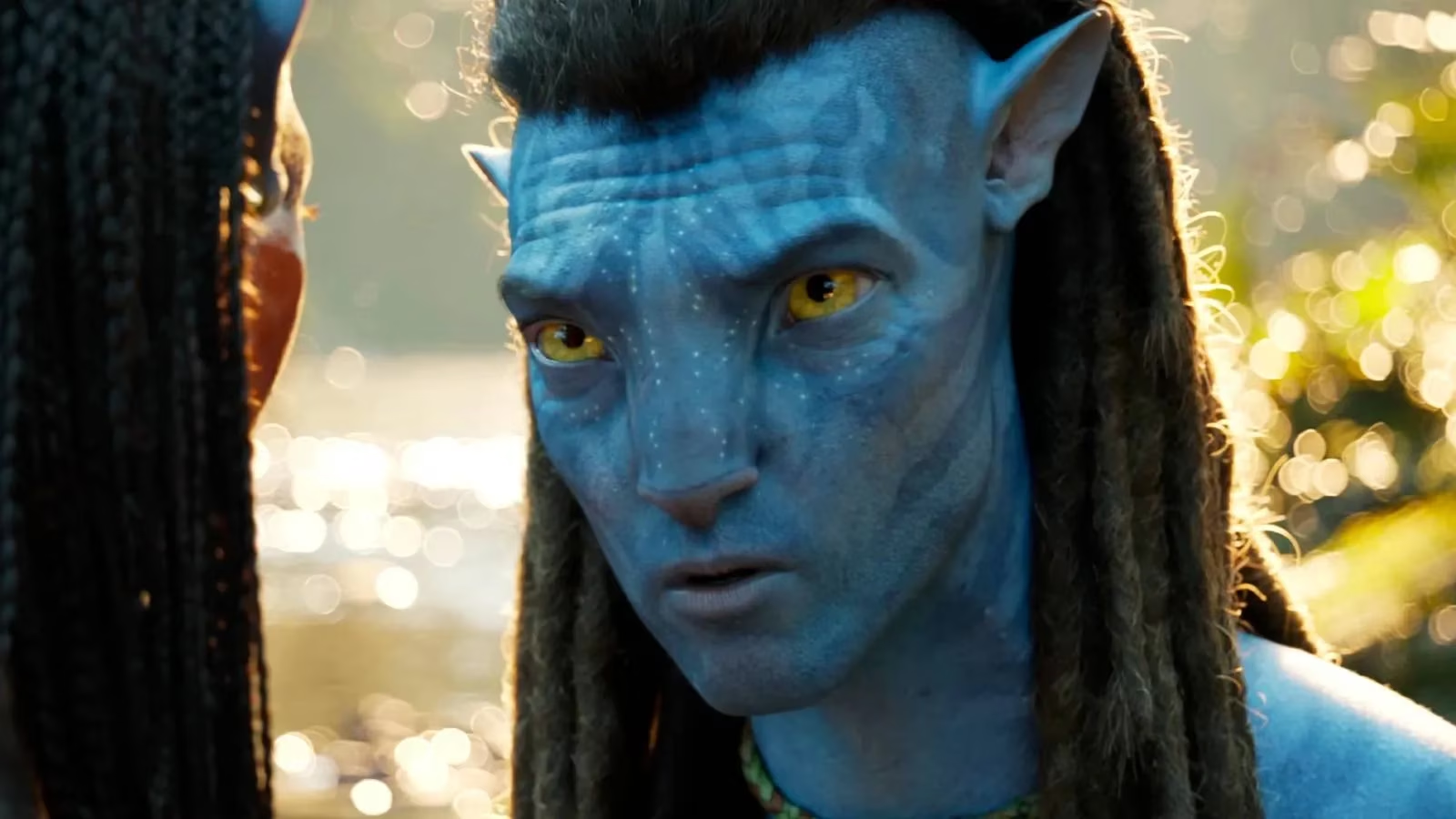
Cameron Listened, Then Called Everyone Back
Here is the thing that fascinates me most: Cameron has said he learned from the audience response to The Way of Water. That sounds obvious, right? But he did not just nod along in interviews. He wrote new scenes for Fire and Ash, cut some old ones, called the actors back, and adjusted on the fly. As a player who spends way too much time thinking about story design, I find that kind of responsive filmmaking weirdly refreshing. It is like a game studio watching how players react to a companion character and then giving that character more quests in the sequel. Did Cameron really reshape a massive Avatar movie based on audience feelings? Apparently, yes.
Payakan Deserved More Screen Time 🐋
One of the clearest examples is Payakan, the outcast Tulkun who bonds with Lo'ak. Cameron explained that there was such a strong emotional response to Payakan as a character that he had to build up his part in movie three. His logic is simple: if any breakout star emerges from a movie, you build up that part in the subsequent film. I have to say, I get it. Payakan is not just a big whale with sad eyes; he is a wounded outsider who chooses connection anyway. Of course audiences latched onto him. If I had been in Cameron's chair, I would have done the same thing. Who would not want more Payakan?
The Gun Question
The bigger change, though, is about weapons. In the original script for Fire and Ash, Jake asked the Metkayina—the water tribe he and his family joined in The Way of Water—to take up arms. He asked three times, and they finally said yes because they had to defend the Tulkun. Cameron said he wanted to make a point: all right, you could be a pacifist, but at some point, there are things that are worth fighting for. That is a solid theme. But then Cameron had another thought, and it completely changed the scene. If Quaritch is the one handing guns to Native Americans so they can kill each other, that is right out of the colonial playbook. If that is the definition of evil in the film, Jake cannot do the same thing. He has to let the Na'vi fight the Na'vi way.
I love that shift. It is not just about whether guns are cool or not. It is about what kind of hero Jake is becoming. When you see the battle scene and the Na'vi start dropping rocks through the rotors of the ships, the Na'vi way works pretty damn well. Why would Jake need to turn the Metkayina into a mirror image of Quaritch's forces? That would be a thematic own goal.
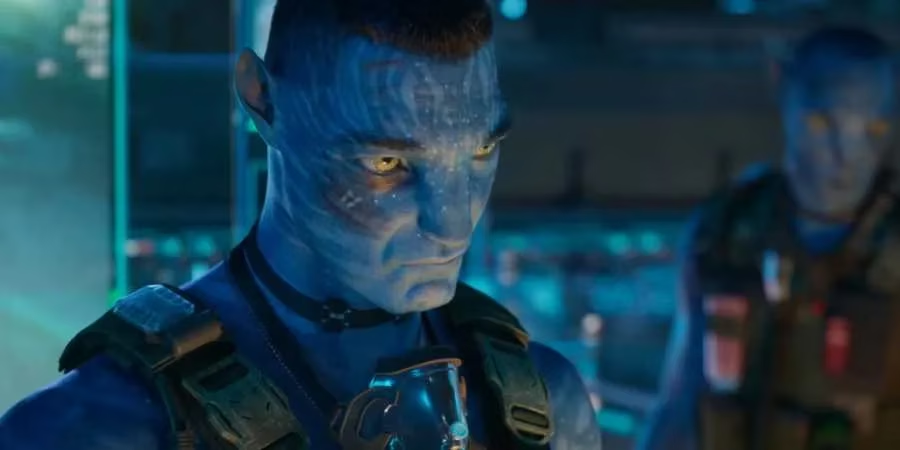
Toruk Instead of Firearms 🦅
Cameron removed the scene where Jake arms the Metkayina with guns. In its place, he put a scene where Jake reunites with Toruk, the winged creature he bonded with and rode in the first movie—the bond that made him Toruk Makto in the first place. Cameron says that reunion was an adjustment on the fly. Is that fan service? Maybe a little. But it is also thematically perfect. Toruk Makto is not a gun. Toruk Makto is a relationship with Pandora, a bond of trust, and a symbol of a different kind of power. I would much rather see Jake reconnect with that than watch him hand out rifles.
Uvalde and the Marine Problem
There is a real-world weight here, too. Cameron has said that the 2022 shooting in Uvalde, Texas, where 19 elementary school students were killed, put him over the edge. He did not want to glorify or fetishize the assault weapon. At the same time, he admitted he was a little bit trapped because Jake defines himself as a Marine, and the Marine ethos is that a Marine and his rifle are the most powerful weapon in the world. That is how they think. So Cameron decided to keep it singular to Jake and his way of doing things, but not let Jake contaminate the Na'vi way and their value system. That is a delicate line, and I think it is the right one. Cameron has also spoken before about regretting some of his earlier films, including the early Terminator movies, for how they glorify gun violence. This feels like a filmmaker actually wrestling with his own legacy instead of just saying the right things in press.
What Changed in Fire and Ash
| Element | What changed |
|---|---|
| Payakan | His role was expanded after the strong audience response to The Way of Water |
| Metkayina | Jake no longer arms them with guns; they fight in their own way |
| Toruk | Jake's reunion with Toruk replaces the gun-arming scene |
| Jake | He keeps his Marine identity but does not impose it on the Na'vi |
| Tone | The film rejects the colonial playbook of arming one group to kill another |
Critics vs Audiences
The reviews for Fire and Ash have been more mixed than the previous installments. The critical score on Rotten Tomatoes is 67%, while the audience score is 91%. That gap does not surprise me at all. Critics seem more divided on the third act, but audiences have responded overwhelmingly positively to the creative decisions, including that third act. I think people can feel when a blockbuster is trying to say something sincere rather than just checking boxes. The cast apparently bought into these ideas too. Cameron said the actors loved it and were happy to get back together. That matters. When the people making the movie are genuinely into the changes, it shows on screen.
With two more Avatar movies planned, the fight for Pandora is far from over. Fire and Ash takes a clear stance on the kinds of weapons Jake and the Na'vi will and will not use, and given how strongly Cameron feels about this, I expect that stance to hold in the sequels. So what does this mean for the next two films? Will Jake keep his Marine instincts without letting them poison the Na'vi way? I hope so. That is a more interesting story than watching him become the very thing he is fighting.