
I walked out of Avatar: Fire and Ash with that strange, quiet feeling you get when a movie answers a question that’s been scratching at the back of your mind for years. You know the one: who is Kiri’s father? The 2025 sequel, directed by James Cameron, doesn’t just tease the answer anymore. It confirms it. Kiri has no biological father. She was conceived by Eywa, the Na’vi deity, and that makes her something closer to a messianic figure than a regular teenager.
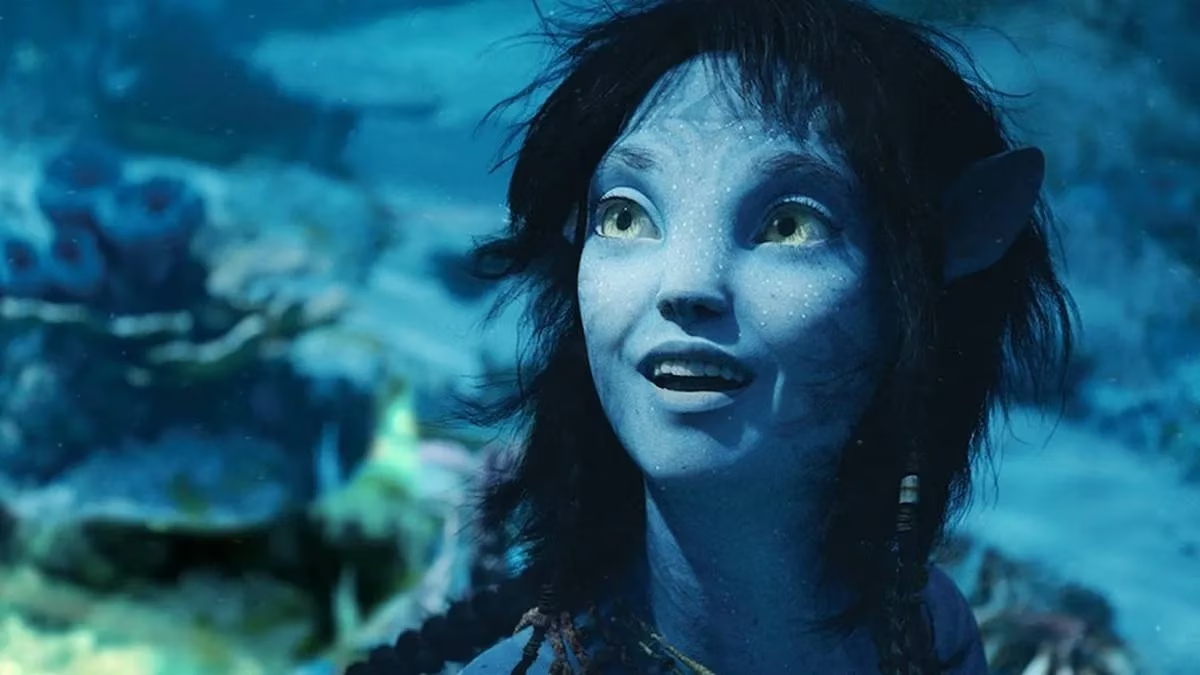
That reveal lands differently because I’ve followed Sigourney Weaver’s journey in this franchise from the start. She played Dr. Grace Augustine in 2009’s Avatar, a human scientist who studied Pandora and died in the conflict. Her Na’vi avatar body survived, comatose, and was discovered to be pregnant. Kiri was born from that body, then adopted by Jake Sully and Neytiri. In The Way of Water, Kiri herself was searching for the truth. I remember thinking, ‘Okay, Cameron, you’re going to draw this out.’ And he did, just not in the way I expected.
Weaver recently explained to TheWrap that Cameron actually moved the confirmation from the second movie to the third. ‘He took some stuff out of two and put it in three, especially for Kiri,’ she said. ‘The news that I didn’t have a father was in two and he put it in three. There’s never a good time to find out this news, because all she wants to be is to know who she is and where she belongs.’ Honestly, that quote stuck with me. It’s such a human thing to want—identity, belonging, a clear origin story—and Kiri gets the opposite. Her origin is a mystery that turns out to be a miracle.
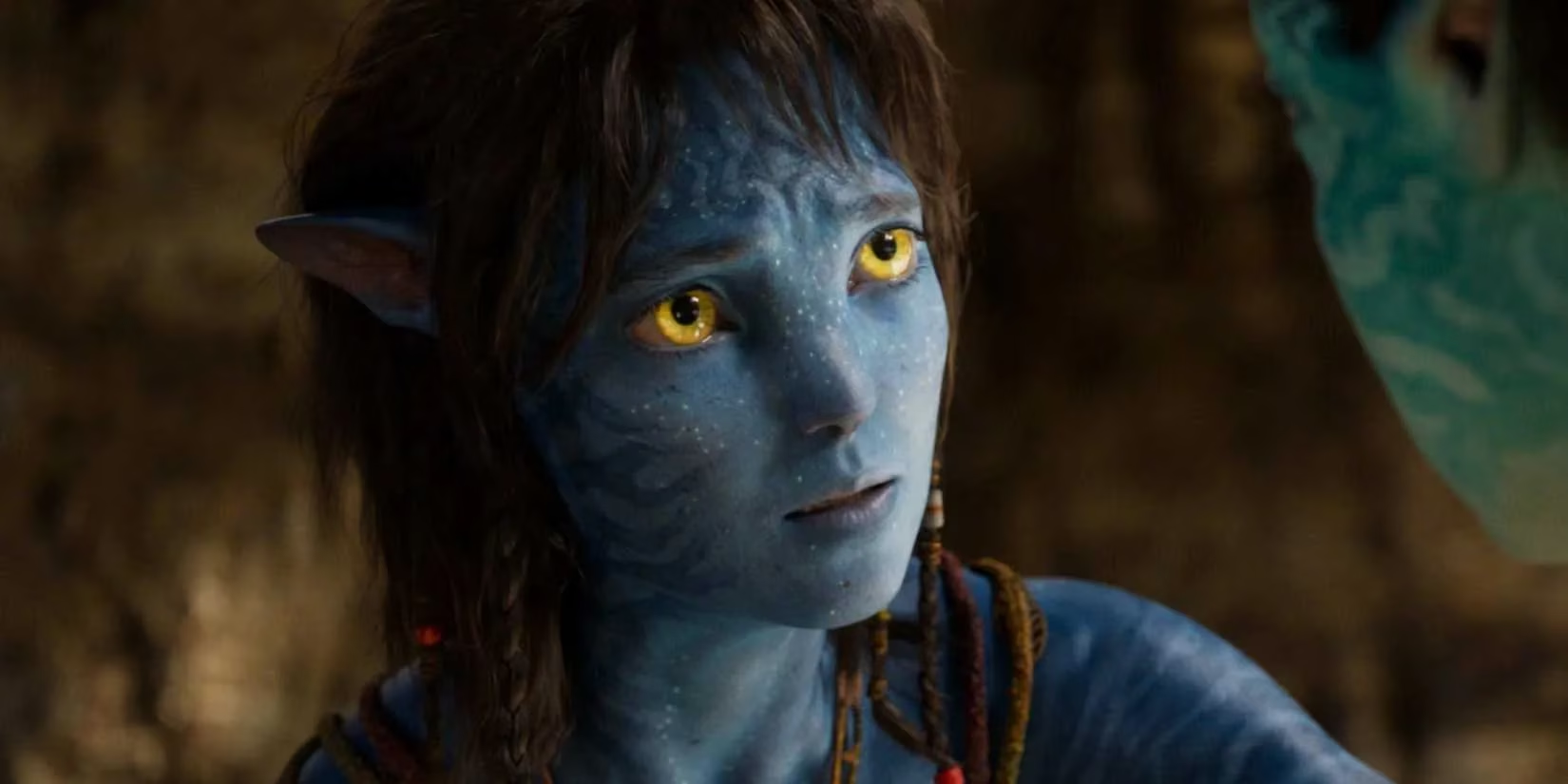
What I love is how the film refuses to treat this as a simple ‘chosen one’ checkbox. Kiri’s connection to Pandora runs deeper than anyone else’s, but she’s still a teenage girl trying to figure out who she is. Weaver pointed out that the story also tackles corporate greed, war, and life in a multi-race family. I felt that mix strongly. One moment you’re watching a sweeping sci-fi battle, the next you’re sitting with a kid who just wants to know why she’s different. That’s a tricky balance, and somehow these blue people make it work.
Then there’s Spider, the adopted human child of the Sully family. His biological father is Miles Quaritch, the series villain, though Spider believed his father was dead for a long time. Quaritch survived in his own avatar body while his human body died. Spider’s feelings about his parents are just as tangled as Kiri’s. Weaver mentioned that parallel too: ‘Spider has a little of that too, since his real father’s dead. Somehow we’re able to play these blue people and take on these serious subjects.’ I mean, that’s the whole magic trick of Avatar, isn’t it? You go for the floating mountains and glowing forests, and you stay for the messy family stuff.
Here’s a quick breakdown of what Fire and Ash confirms and why it matters:
| Question | Answer in Fire and Ash | Why I cared |
|---|---|---|
| Who is Kiri’s father? | No biological father; conceived by Eywa | It reframes her as a spiritual figure, not just a mystery child |
| Was this planned? | Yes, but moved from The Way of Water | Cameron reshaped the sequels during production |
| Does Spider parallel Kiri? | Yes, both have complicated parentage | It grounds the cosmic story in very human emotions |
I also appreciate that the reveal isn’t dumped on us in a single exposition scene. It’s woven into the ending, which suggests Kiri’s origins will matter even more if future sequels move forward. That feels right. You don’t introduce a character connected to the planet itself and then just move on. At least, I hope not.
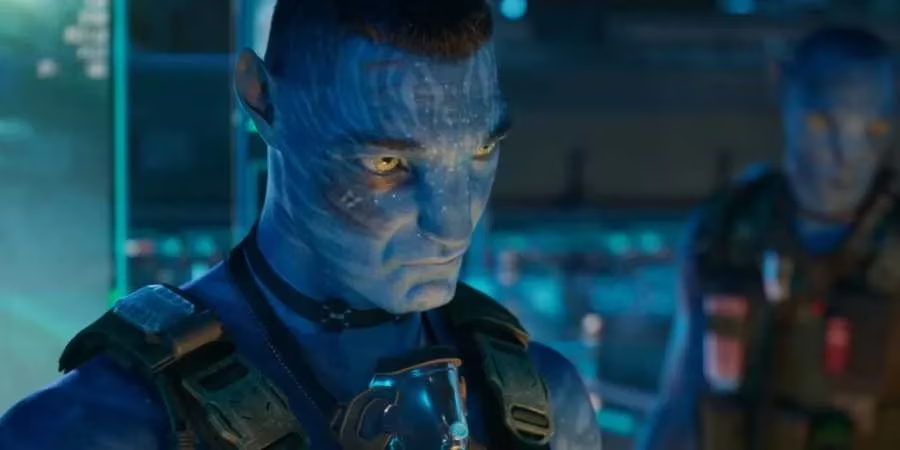
So yes, the widespread theory was correct. Kiri has no biological father. She is Eywa’s child, a messianic figure with a deep bond to Pandora. And after watching Fire and Ash, I’m more curious than ever about where Cameron takes her next. The film is now in theaters, and if you’re like me, you’ll leave with a head full of questions—and maybe a little hope for the blue people too.