
I’m not gonna lie, revisiting Blade Runner 2049 in 2026 feels like cracking open a time capsule that has aged like fine wine. When it hit theaters on October 6, 2017, I was hyped beyond belief. The original Blade Runner, released way back in 1982 with Harrison Ford leading the charge, basically dragged cyberpunk into the mainstream. It gave us rain-slicked streets, neon glow, and noir-flavored storytelling that still influences sci-fi today. So when Denis Villeneuve stepped up to direct the sequel, I had a feeling we were in for something special.
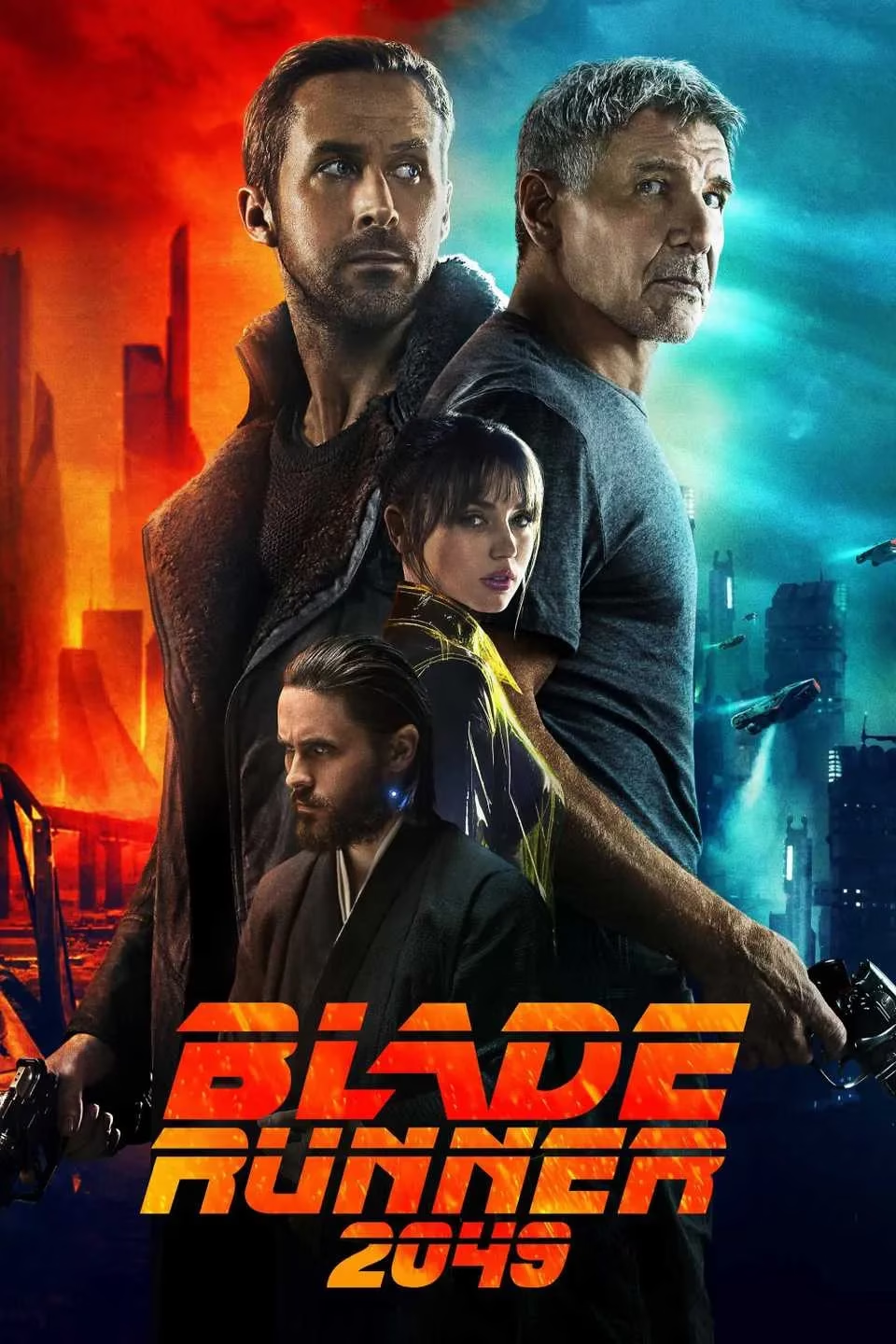
Here is the kicker, though: the movie was a box office bomb. Long story short, Blade Runner 2049 pulled in around $259.1 million worldwide against a production budget that landed somewhere between $150 million and $185 million. By Hollywood math, it needed at least $300–375 million just to break even. That is a rough look for a sequel to one of the most beloved sci-fi properties in history, and yeah, it stings a little. But if you ask me, the box office numbers say more about the theatrical market than the quality of the film itself. And honestly, this franchise has been here before. The 1982 original did not exactly set the box office on fire either, but over time it became a pillar of cyberpunk and film noir. Blade Runner 2049 seems to be walking that same lonely road, a little too weird, too thoughtful, and too patient for opening weekend, but absolutely essential for anyone who cares about sci-fi as art.
| Detail | Info |
|---|---|
| Release Date | October 6, 2017 |
| Runtime | 163 Minutes |
| Director | Denis Villeneuve |
| Writers | Michael Green, Hampton Fancher |
| Stars | Ryan Gosling, Harrison Ford, Ana de Armas |
| Genres | Sci-Fi, Action, Drama, Mystery |
Let me set the scene. Ryan Gosling plays K, a blade runner who gets pulled into a mystery that could change everything. Harrison Ford returns as Rick Deckard, but this is not a cheap nostalgia grab. The baton is passed, not dropped. Ana de Armas plays Joi with this fragile, almost haunting presence that stuck with me long after the credits rolled.
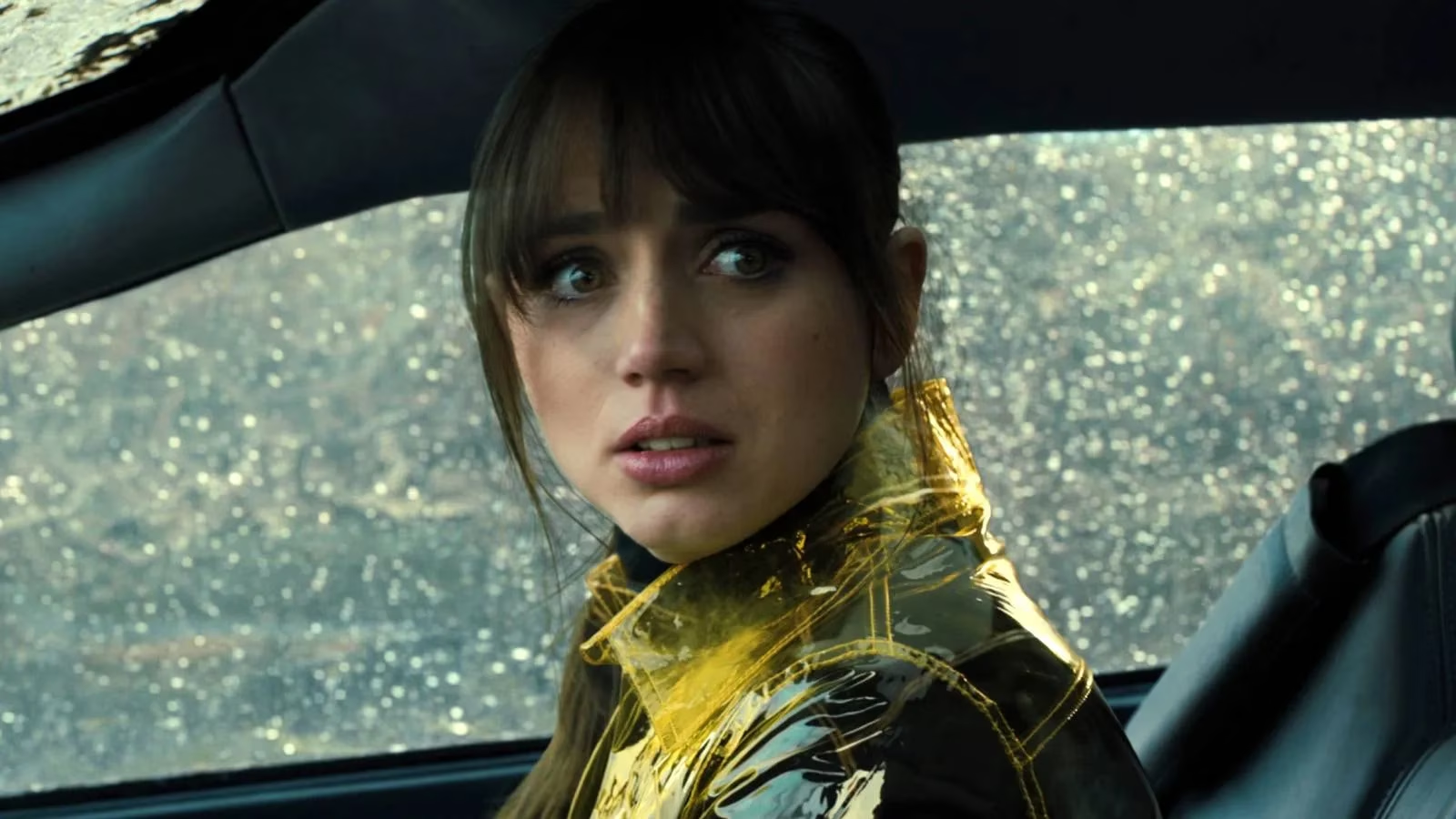
What makes Blade Runner 2049 such a gem is that it refuses to be a popcorn movie. It is a slow-burn experience, and not everyone’s cup of tea, but that is exactly why it works. Villeneuve plays to his greatest strength: fully immersing you in a larger-than-life sci-fi world until you feel the humidity, the smog, and the isolation. The neon-soaked streets are the perfect mix of wonder and danger. Gosling’s performance is all about restraint. Even the slightest facial movement carries weight, letting the story breathe and find its own rhythm.
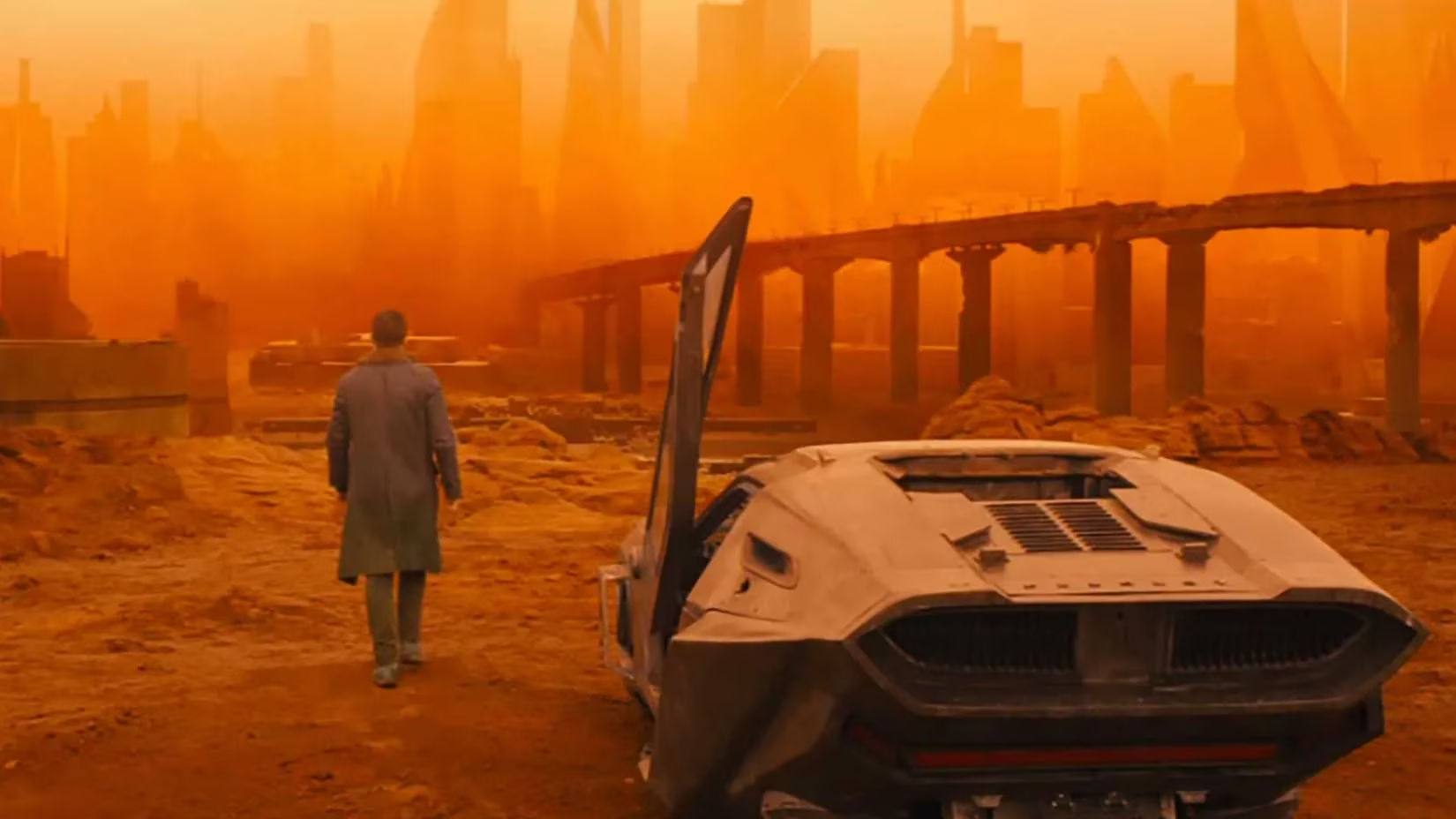
Now, in 2026, the whole situation feels even more ironic. Sci-fi fans have been eating well over the years, from the classic Star Wars saga to James Cameron’s massive Avatar franchise, which recently dropped Avatar: Fire and Ash. Villeneuve himself has since become a box office heavyweight with the Dune movies. Watching Blade Runner 2049 through that lens makes its commercial stumble feel less like a quality problem and more like a timing problem. Audiences just were not ready for a 163-minute cerebral slow burn, plain and simple. A 7.6/10 rating is respectable, but I would argue the ambition on display goes far beyond that number. Do not get me wrong, the runtime is a commitment, and the story does not hold your hand. But it earns every single minute.
If you have not seen Blade Runner 2049 yet, do yourself a favor and fix that. It is an experience, not background noise. Give it a big screen, turn the lights down, and let it wash over you. Almost a decade later, this is still one of the best sci-fi movies ever made, and I will die on that hill. 🎬🌆