
The year 2025 has witnessed Disney's bold reimagining of two legendary sci-fi franchises, with Predator: Badlands and Alien: Earth fundamentally flipping the script on their iconic extraterrestrial antagonists. What started as a controversial experiment in Alien: Earth has now bled into the Predator universe, challenging decades of established lore and fan expectations. This paradigm shift represents more than just creative risk-taking—it's a full-scale redefinition of what these alien species represent in modern cinema. Both franchises, now under Disney's umbrella since the 2019 Fox acquisition, are undergoing what industry insiders call a "golden age renaissance," but not without sparking heated debates among purists.
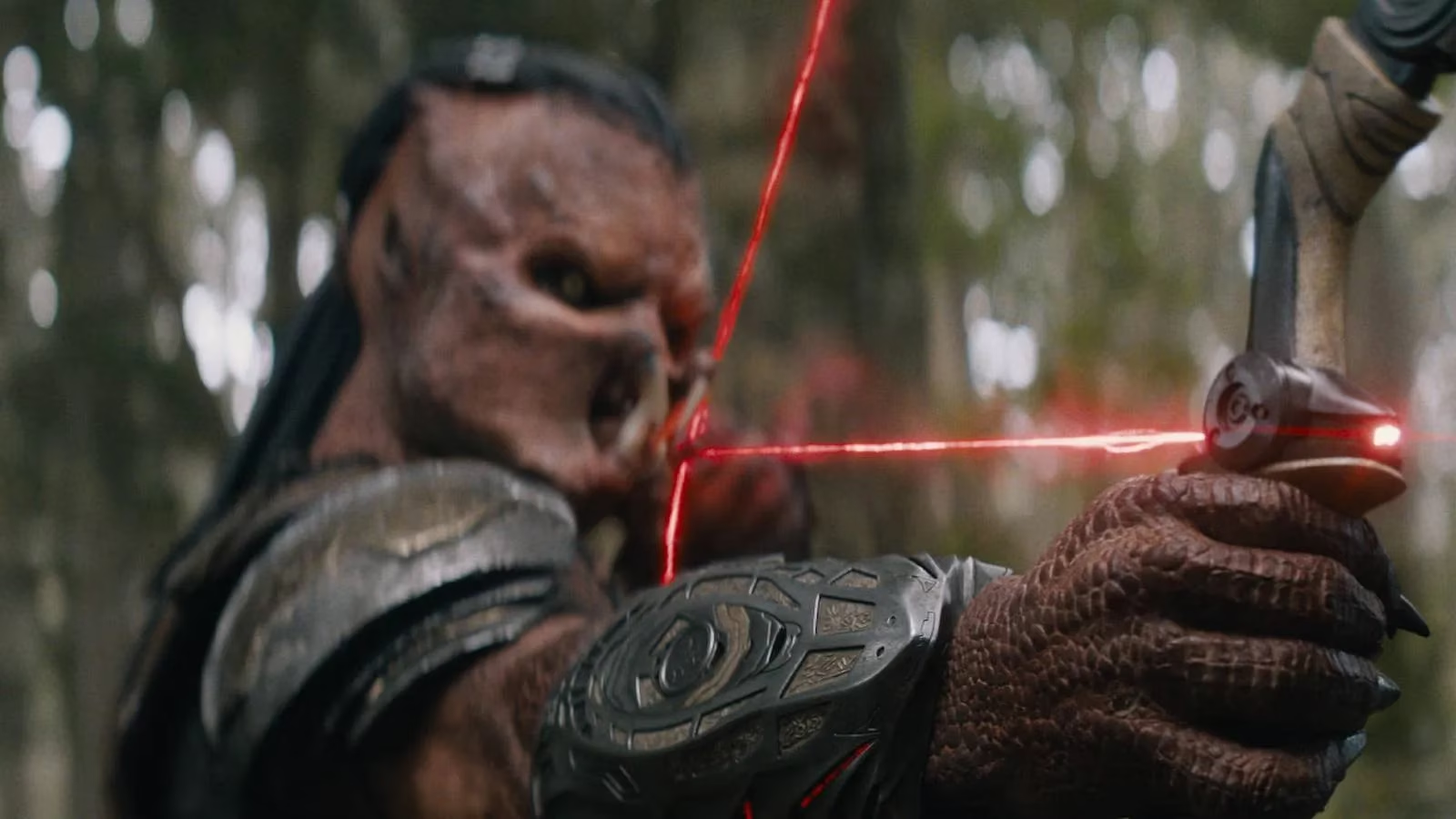
The Yautja's Heroic Metamorphosis
For nearly four decades since the 1987 original, Yautja were unequivocal villains—honorable hunters perhaps, but still cold-blooded killers hunting humans for sport. Predator: Badlands shattered this archetype by introducing Dek, the franchise's first truly sympathetic Predator protagonist. This underdog Yautja isn't just less evil than his predecessors; he's crafted as someone audiences actively root for with his relatable backstory:
-
🎯 The runt of his litter battling impossible odds
-
😔 An abusive father and sacrificial brother fueling his journey
-
🤝 An unlikely alliance with Weyland-Yutani android Thia
Dek's character arc culminates in avenging his brother's death, completing his transformation into what can only be described as the first heroic Yautja in franchise history. Yet crucially, Badlands maintains the species' terrifying essence—Dek remains just as ruthless and lethal as any previous Predator, simply directing his brutality toward "deserving" targets. This nuanced approach preserves the Yautja mythos while adding unprecedented emotional depth.
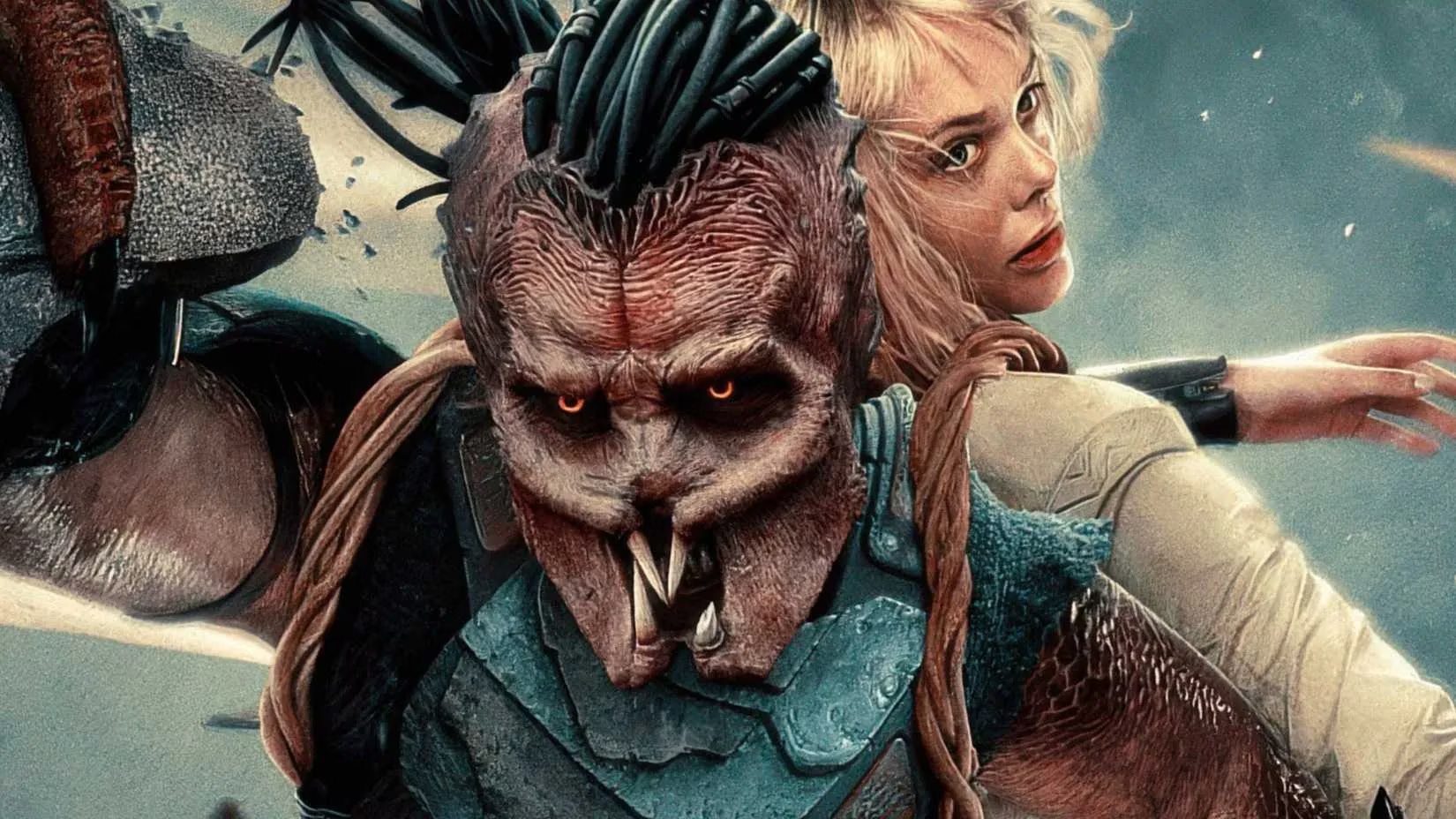
Alien: Earth's Pet Project Controversy
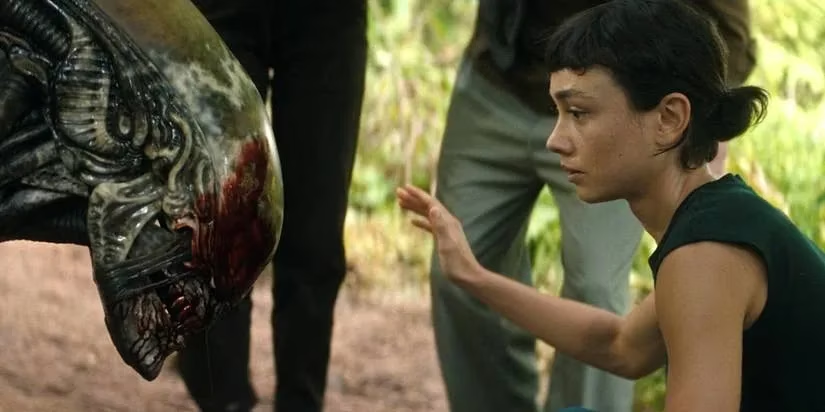
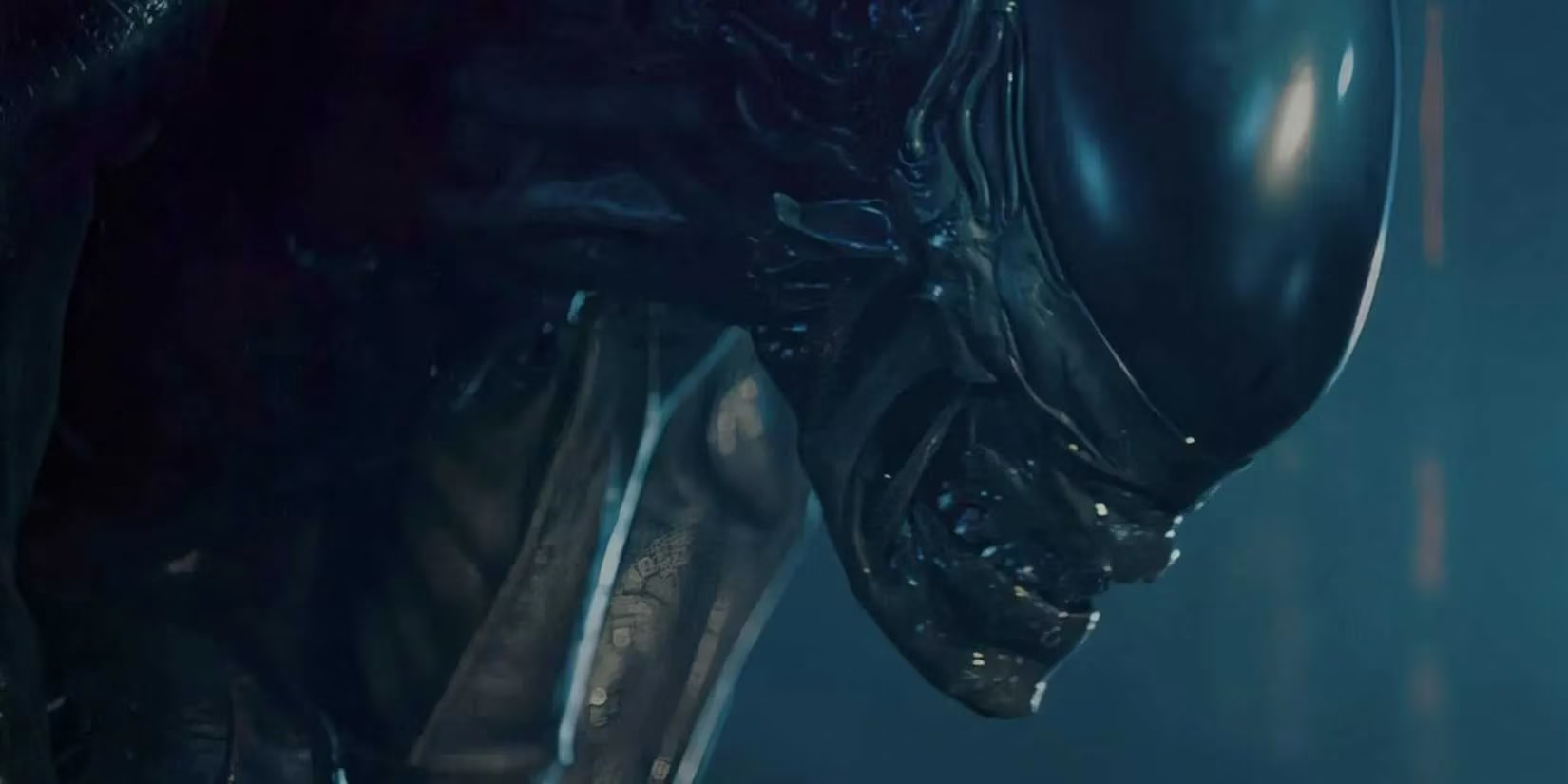
Before Dek's hero journey, Alien: Earth started this seismic shift by domesticating cinema's ultimate killing machines. Through character Wendy (Sydney Chandler), the series revealed Xenomorphs could form bonds with humans, essentially becoming deadly pets:
| Traditional Xenomorph | Earth's Reimagining |
|---|---|
| Mindless killing machines | Trainable creatures |
| Uncontrollable biological weapons | Responsive to linguistic commands |
| Pure antagonists | Complex beings with social bonds |
In the series' most jaw-dropping moments:
-
🖐️ Wendy pets a chestburster like a puppy
-
🗣️ She learns their language and forms maternal bonds
-
❤️ Declares preferring Xenomorphs over humanity
The season finale showed adult Xenomorphs nurturing young—a radical departure from their purely predatory nature that sparked intense backlash. Some hardcore fans cried foul, arguing this domestication fundamentally undermined what made the species terrifying. Talk about ruffling feathers in the fandom!
Disney's High-Stakes Gamble Pays Off
The creative teams behind these reinventions walked very different tightropes. Badlands added layers to Yautja culture without altering their core identity—Dek’s honor code and brutality remain intact, just redirected. Earth, however, made Xenomorphs behave in ways that directly contradicted their established animalistic nature. This distinction explains why the Predator reboot faced less resistance; Yautja always had that honorable warrior ethos that could be spun heroically, while Xenomorphs were pure nightmare fuel with zero redeeming qualities.
Yet despite controversies, Disney's gamble hit the jackpot:
-
💰 Badlands earned $140M at box office
-
👁️ Earth pulled 9M+ viewers on Hulu/FX
-
🌟 86% and 95% Rotten Tomatoes scores respectively
The studio clearly isn't resting on nostalgia laurels—they're pushing the envelope big time. As one producer anonymously put it: "Playing safe with these IPs would've been commercial suicide. You gotta shake the tree to get the apples."
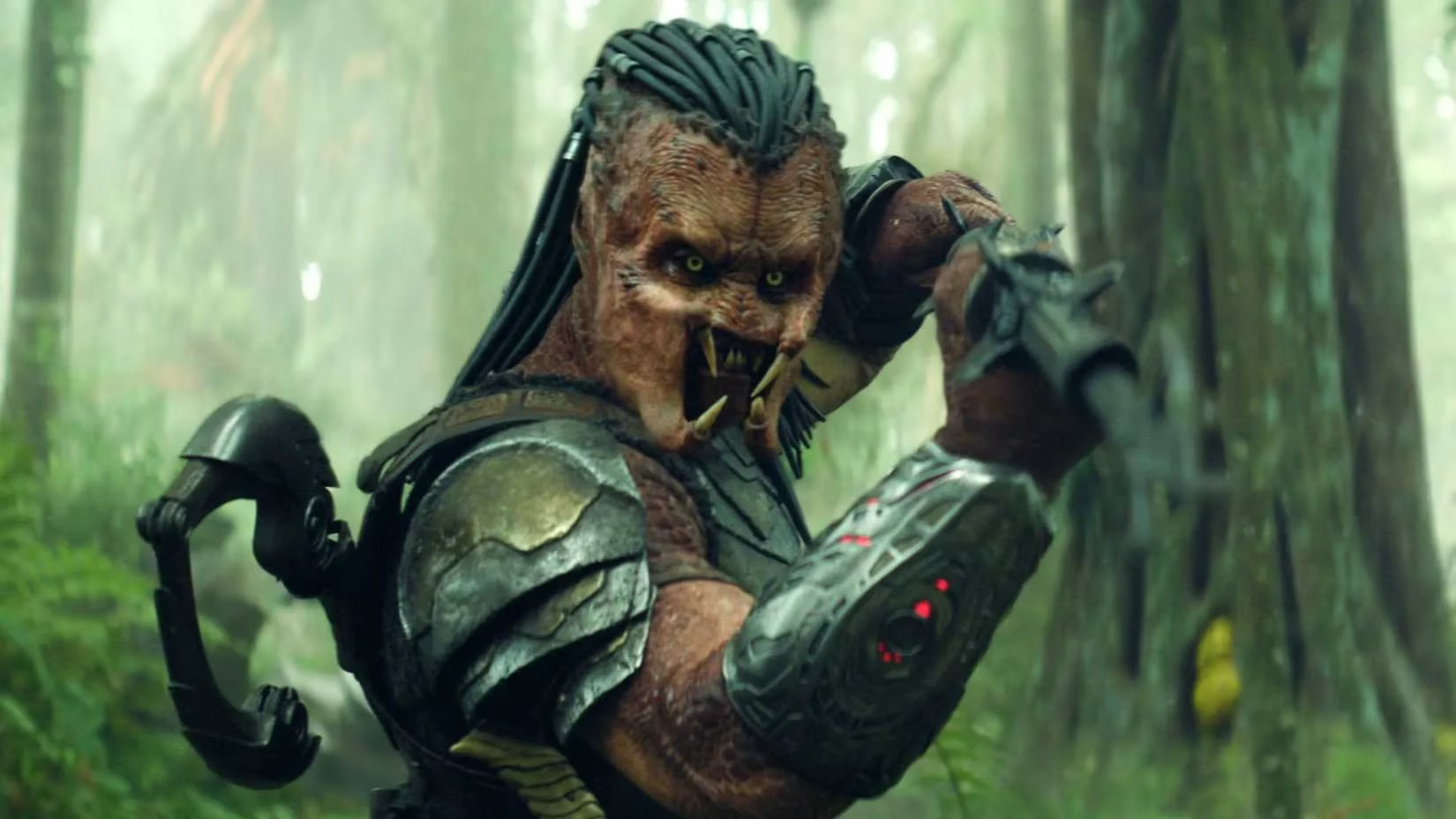
The Future of Fear
With both franchises enjoying their most successful streaks in decades, the question isn't whether Disney will continue innovating, but how far they'll push. Badlands proved audiences will embrace heroic monsters if the storytelling is compelling, while Earth demonstrated that even the most established lore isn't sacred. Yet this creative freedom comes with inherent tension—how much reinvention can these icons withstand before losing their essence?
The real mind-bender? Whether these redefined monsters can coexist in Disney's shared universe. With Weyland-Yutani already bridging both narratives, could we see Dek's heroic Yautja clan facing off against Earth's domesticated Xenomorphs? That scenario would truly test whether these reimagined creatures can maintain their new identities when pitted against each other. After all, in the words of one franchise writer: "The only thing scarier than a monster is a monster with an identity crisis."