
As a lifelong Star Trek viewer, I cannot help but wonder about the moments where one small decision changed everything. IDW Publishing's Star Trek: Deviations taps directly into that feeling, presenting one-shots that explore the franchise's 'road not taken.' In 2026, after seeing the first two Deviations ideas—humanity making first contact with Romulans instead of Vulcans and Uhura being thrown into the Civil Rights Era—I started thinking about which other pivotal moments deserve their own alternate histories.
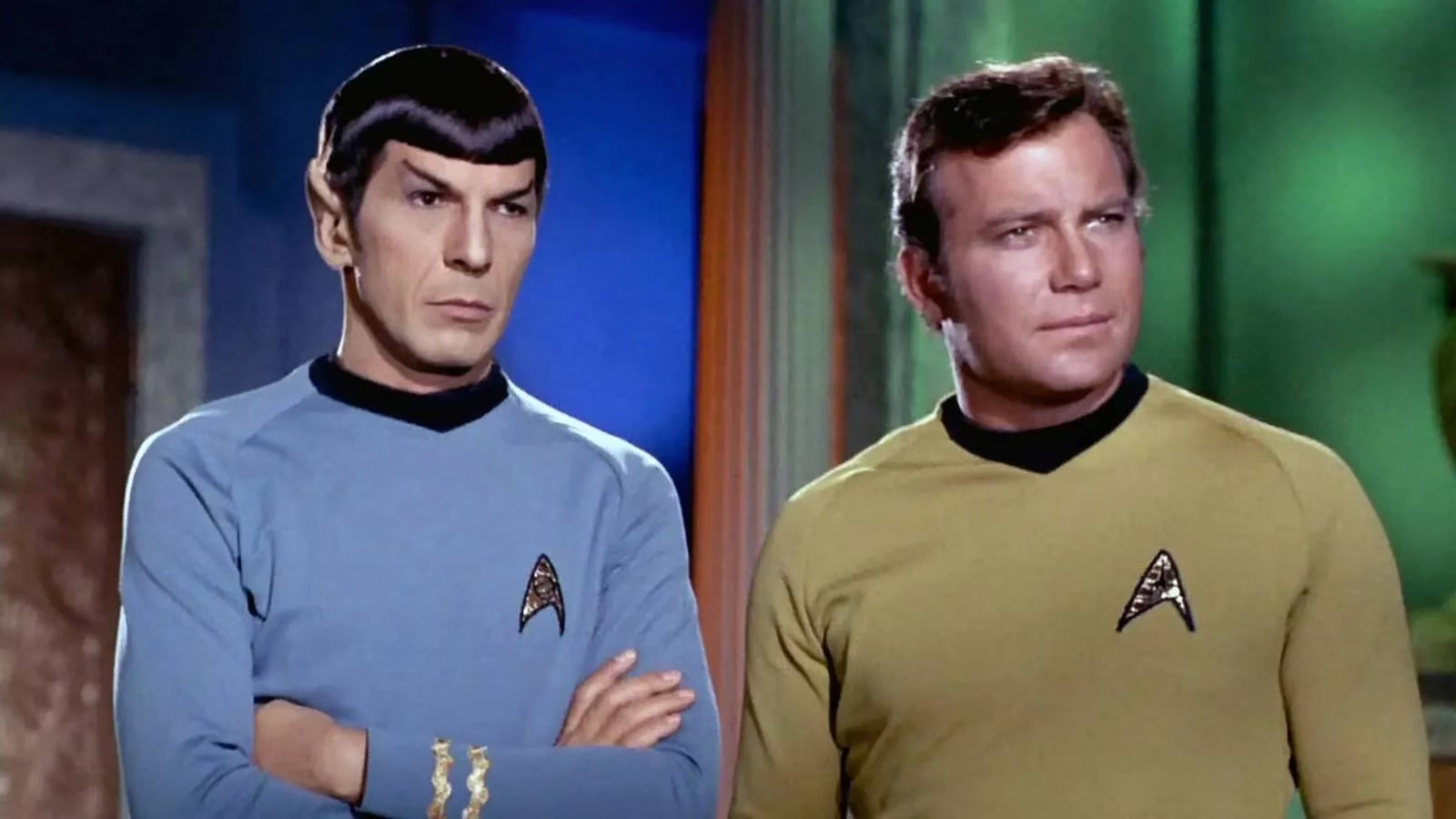
Q Never Throws the Enterprise Into the Borg's Path
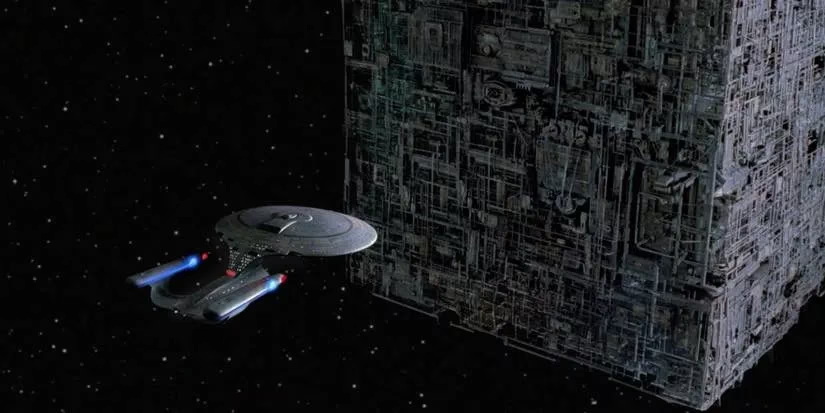
The Borg are among the most dangerous races in Star Trek. Their first formal contact with the Federation came because Q hurled the Enterprise-D into the Delta Quadrant in 'Q Who.' That event gave Starfleet an early warning. But what if Q had never interfered? The Borg were already creeping around the Alpha Quadrant, so I think the Federation would have been caught completely unprepared. Without that terrifying first look at the Collective, Starfleet might have lost vital years of research and tactical planning.
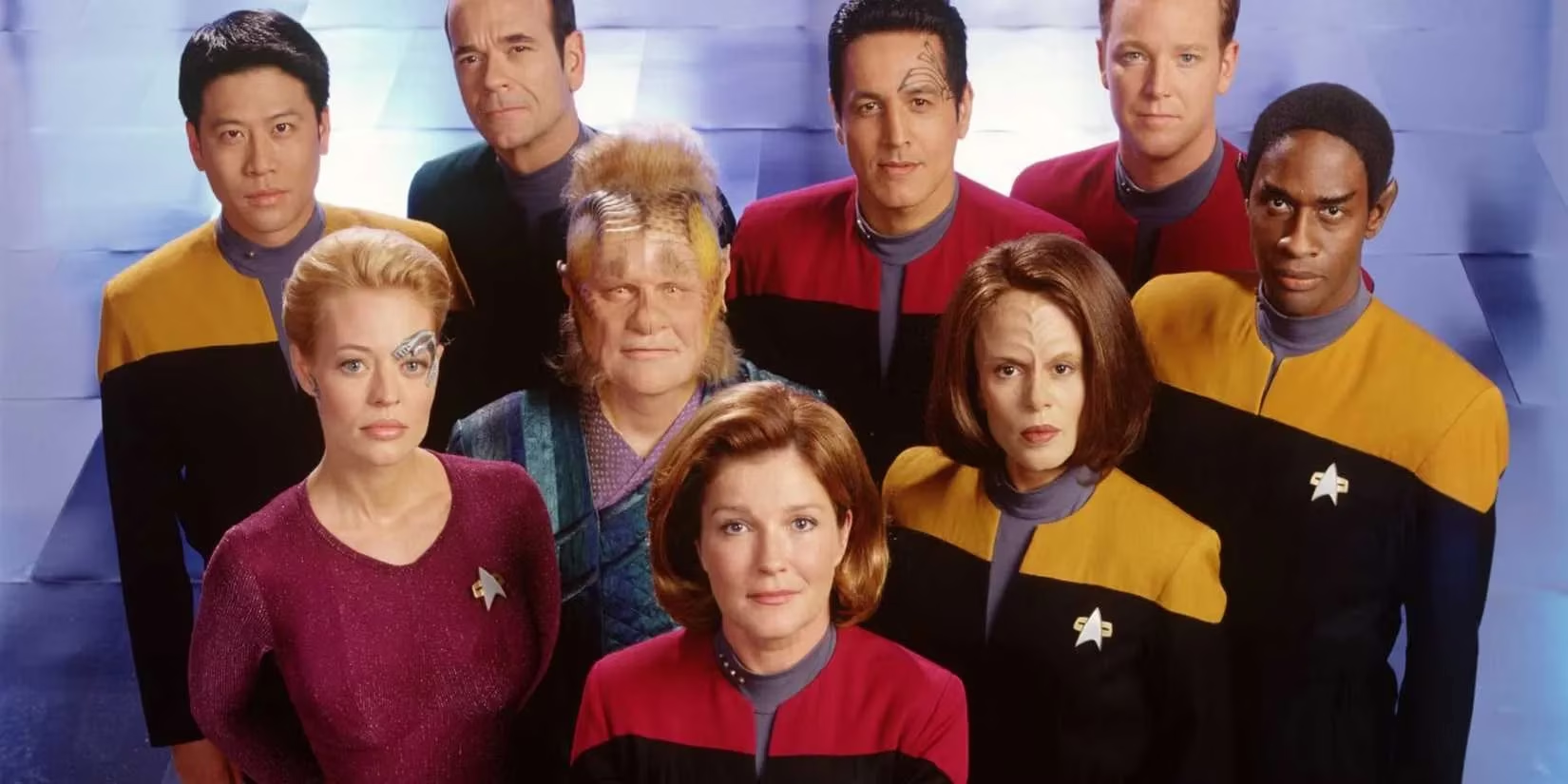
The Caretaker Never Pulls Voyager Into the Delta Quadrant
Voyager's accidental journey to the Delta Quadrant changed the galaxy. Captain Janeway and her crew repeatedly clashed with the Borg, and after Seven of Nine joined them, they developed anti-Borg technology that contributed to the Collective's eventual defeat. The young former drone Icheb also helped create the virus that ended the Borg in the early 25th century. If the Caretaker had never pulled Voyager across the galaxy, none of that knowledge would have existed. Earth might have remained defenseless against a much stronger Borg.
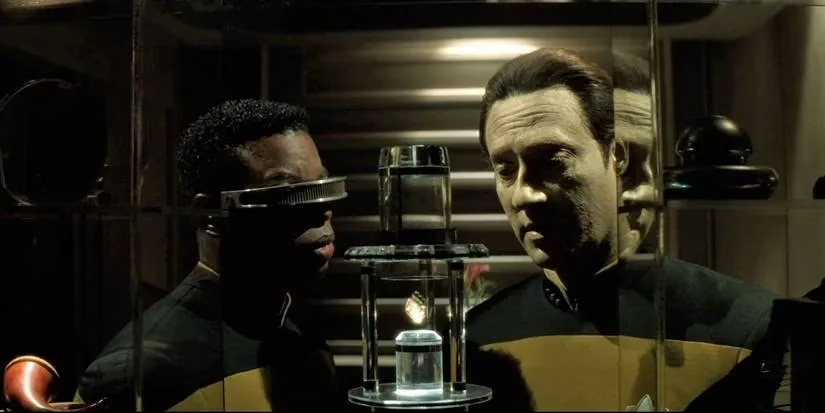
Data Activates the Emotion Chip Much Sooner
Data's emotion chip was one of the most fascinating pieces of technology in the franchise. Doctor Noonian Soong created it so Data could experience human feelings, but Data hesitated because he saw what emotions did to his brother Lore. In Generations, Geordi finally installed the chip. But what if Data had activated it decades earlier? I suspect he might have had a much harder time controlling sudden rage, fear, or ambition. Lore became dangerous partly because of those emotions. A younger Data could have stumbled down the same path, or he might have learned to handle emotion with the same gentle curiosity he showed later.
The Romulan Supernova Never Destroys Romulus
The Romulan supernova reshaped the late 24th century. It destroyed Romulus, weakened the Romulan Star Empire, and helped create the Kelvin Timeline. It also pushed Picard toward his role as Admiral and later influenced the Romulan-Vulcan reunification movement. If the supernova had never happened, I think Picard might have stayed in Starfleet without the painful break we saw in Star Trek: Picard. The Romulans would have remained a formidable empire, and the Kelvin Timeline might never have existed at all. That single stellar disaster touched nearly every corner of modern Star Trek.
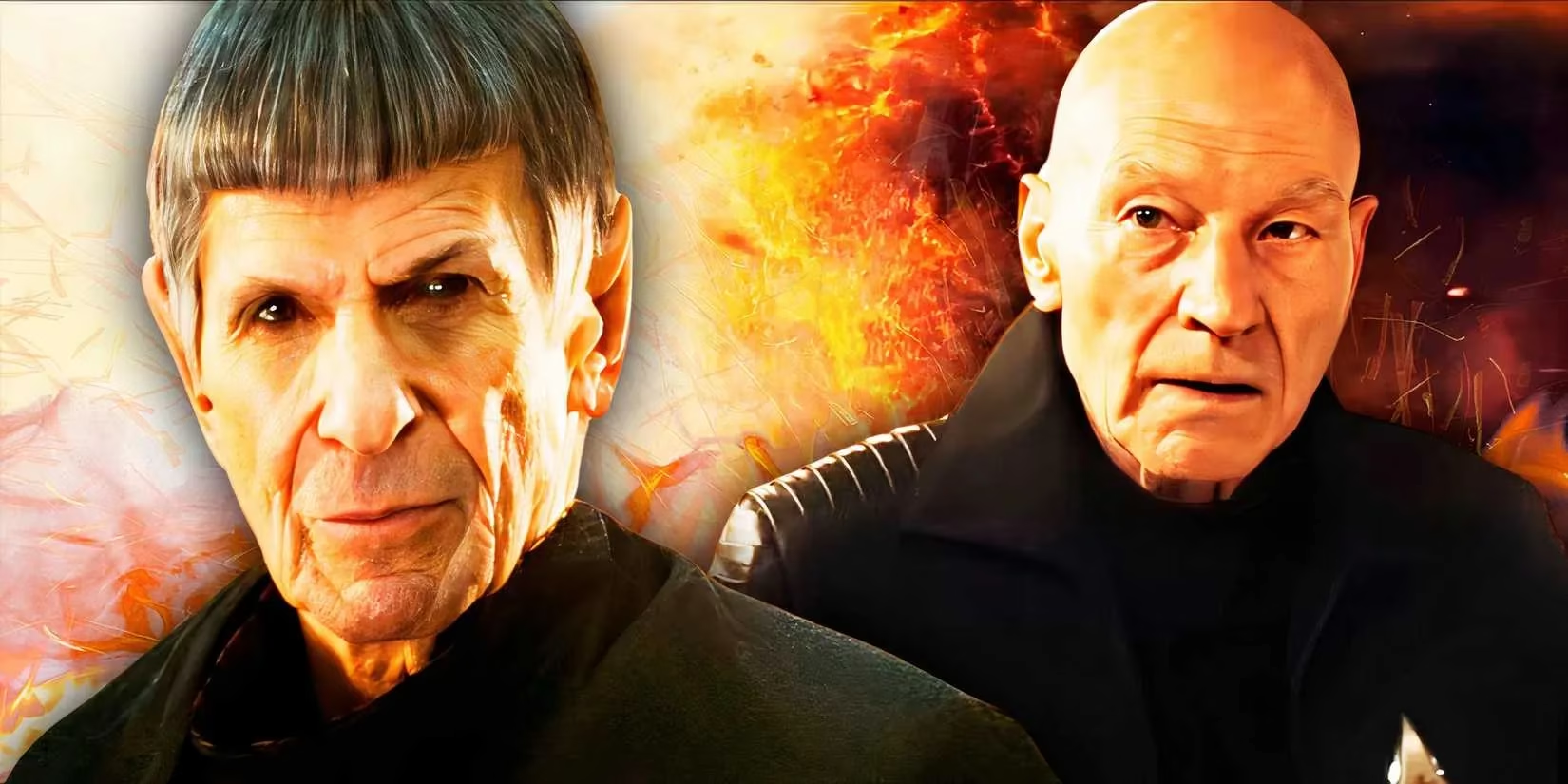
Doctor Bashir Actually Accepts Section 31's Offer
Section 31 has always made me uncomfortable, which is exactly why their recruitment of Doctor Bashir is so compelling. Julian refused their offer, but he briefly considered infiltrating the organization. What if he had said yes? I can picture two very different outcomes. One sees Bashir slowly corrupted by the power and secrecy of Section 31. The other sees him dragging the entire organization out of the shadows, forcing the Federation to confront its own hypocrisy. Either path would have transformed Deep Space Nine's later seasons.
Archer Never Exposes the Vulcan Surveillance Station at P'Jemm
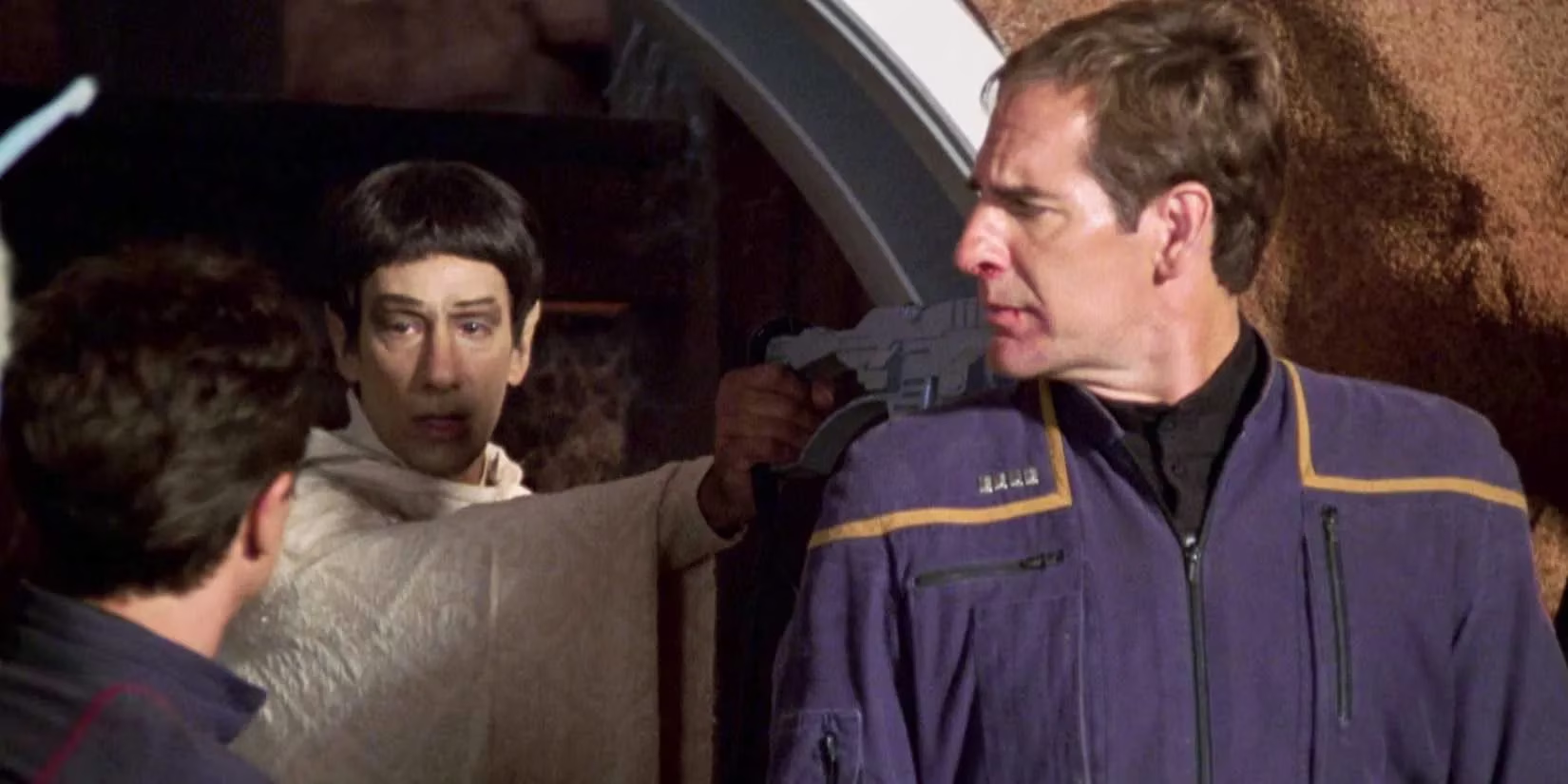
The P'Jemm incident from Star Trek: Enterprise is easy to overlook, but I think it was a quiet founding moment for the Federation. Captain Archer exposed a Vulcan surveillance station that was spying on the Andorians. That action built trust between humans and Andorians and forced the Vulcans to admit their wrongdoing. If Archer had stayed silent, that trust might never have formed. The alliance that eventually became the Federation depended on exactly this kind of uncomfortable honesty. Without P'Jemm, the political balance of the Alpha Quadrant could have collapsed before it even began.
Gul Dukat Succeeds in Unleashing the Pah-Wraiths
Gul Dukat's transformation into the Pah-Wraiths' vessel was a terrifying escalation. The Pah-Wraiths were the dark counterparts to the Bajoran Prophets, and Dukat became their answer to Sisko. He was stopped before he could unleash their full power. But after the Dominion War, the Alpha Quadrant was exhausted. If Dukat had succeeded, I doubt the Federation or the Klingons could have mounted an effective defense. The Bajoran wormhole might have become a doorway for something far worse than the Dominion.
The Romulans See Through Sisko and Garak's Deception
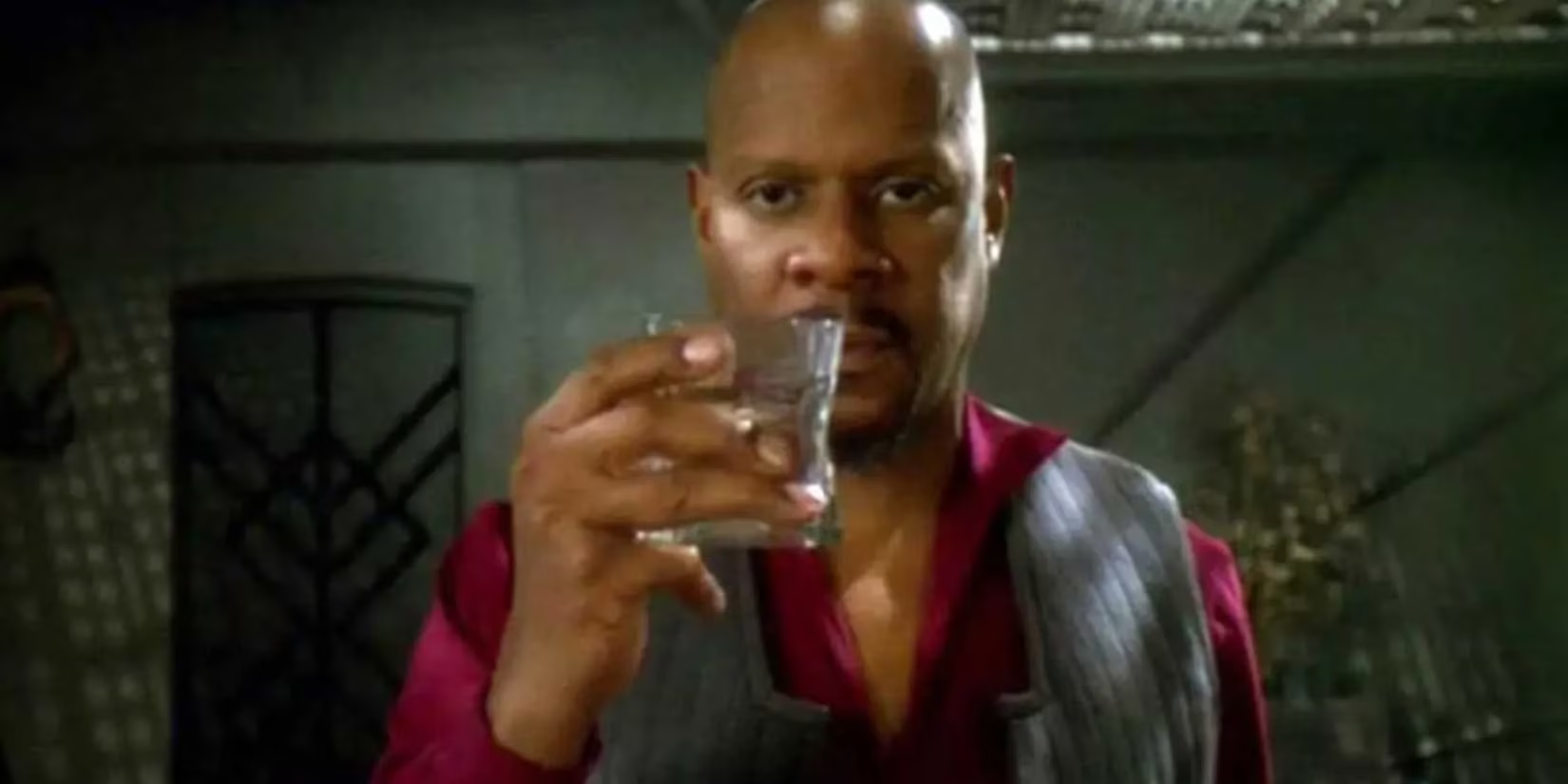
Finally, I keep returning to 'In the Pale Moonlight.' Sisko and Garak manufactured evidence to bring the Romulans into the Dominion War. It worked, but only just. If the Romulans had discovered the lie, they would have stayed out of the conflict, and the Federation-Klingon alliance would almost certainly have fallen. I can imagine the entire Alpha Quadrant under Dominion rule, with Starfleet reduced to a scattered resistance. That is the darkest timeline of all, and I would love to see IDW explore it.
These eight moments are only the beginning. What I admire about Star Trek is that its history is never as fixed as it seems. A single choice, accident, or betrayal can send the galaxy spinning into a completely different future. If Star Trek: Deviations continues in this direction, I will be first in line to see which road it travels next.
The following analysis references VentureBeat GamesBeat to frame how “what-if” storytelling like Star Trek: Deviations functions as a marketable content strategy: alternate-timeline hooks create clear, high-concept pitches (e.g., “no Q, no Borg warning” or “Romulus never falls”) that are easy to package as standalone events, expand into spin-offs, and sustain audience conversation through speculation-driven engagement.