
Let me tell you, as a longtime fan, watching the Alien and Predator franchises stumble through the 2000s and 2010s felt like watching two legendary gladiators slowly rusting in a forgotten arena. They were icons, sure, but their stories had become as tangled and directionless as a nest of old cables in a drawer. Sequels and reboots came and went, each feeling more like an isolated experiment than a chapter in a grand saga. The crossover films, Alien vs. Predator, offered a jolt of novelty—like finding an unexpected secret passage in a familiar house—but they couldn't sustain the momentum. We, the audience, were hungry for more, but we wanted smarter stories, stronger characters, and fresh perspectives, not just the same old beats rehashed. Then, in 2019, Disney's acquisition of 20th Century Fox happened, and it was the precise, surgical intervention these ailing titans needed. Instead of rushing out nostalgia-bait, Disney took a deliberate, creator-first approach. And let me be clear: the results, culminating in projects from 2024 to 2026, have been nothing short of a renaissance.
A New Foundation for Alien
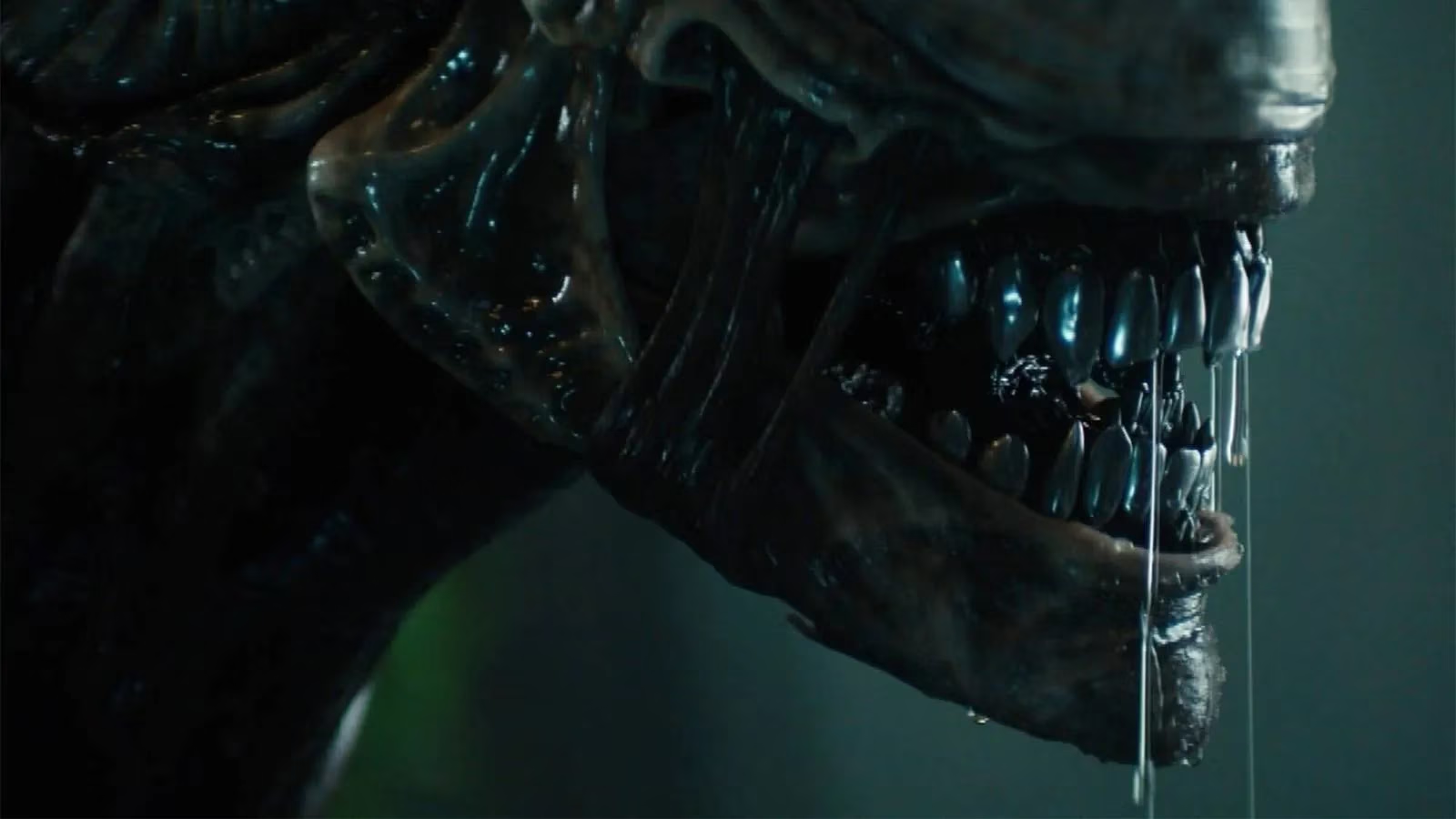
The turnaround for the Alien franchise has been a masterclass in course correction. It started with Alien: Romulus (2024), directed by Fede Álvarez. This film was a crucial stabilizing force. Set between the first two movies, it deliberately stripped away decades of convoluted lore and returned to the franchise's quintessential, terrifying basics: isolation, body horror, and relentless tension. Focusing on a younger cast in a deadly situation gave it a raw, urgent energy. For many of us, it was a powerful reminder of why we fell in love with the series in the first place—it prioritized primal horror over sprawling mythology. It proved that Disney was willing to hand creative control back to filmmakers who understood the core DNA of the franchise.
But the true game-changer arrived in 2025: Alien: Earth, the FX series from Noah Hawley. Calling it a prequel doesn't do it justice. This was the boldest creative leap the franchise had taken in decades. For the first time, the story was set on Earth, expanding the universe's scope without abandoning its roots. The series leans hard into the themes of corporate greed, human conflict, and existential dread that have always fueled the best Alien stories.
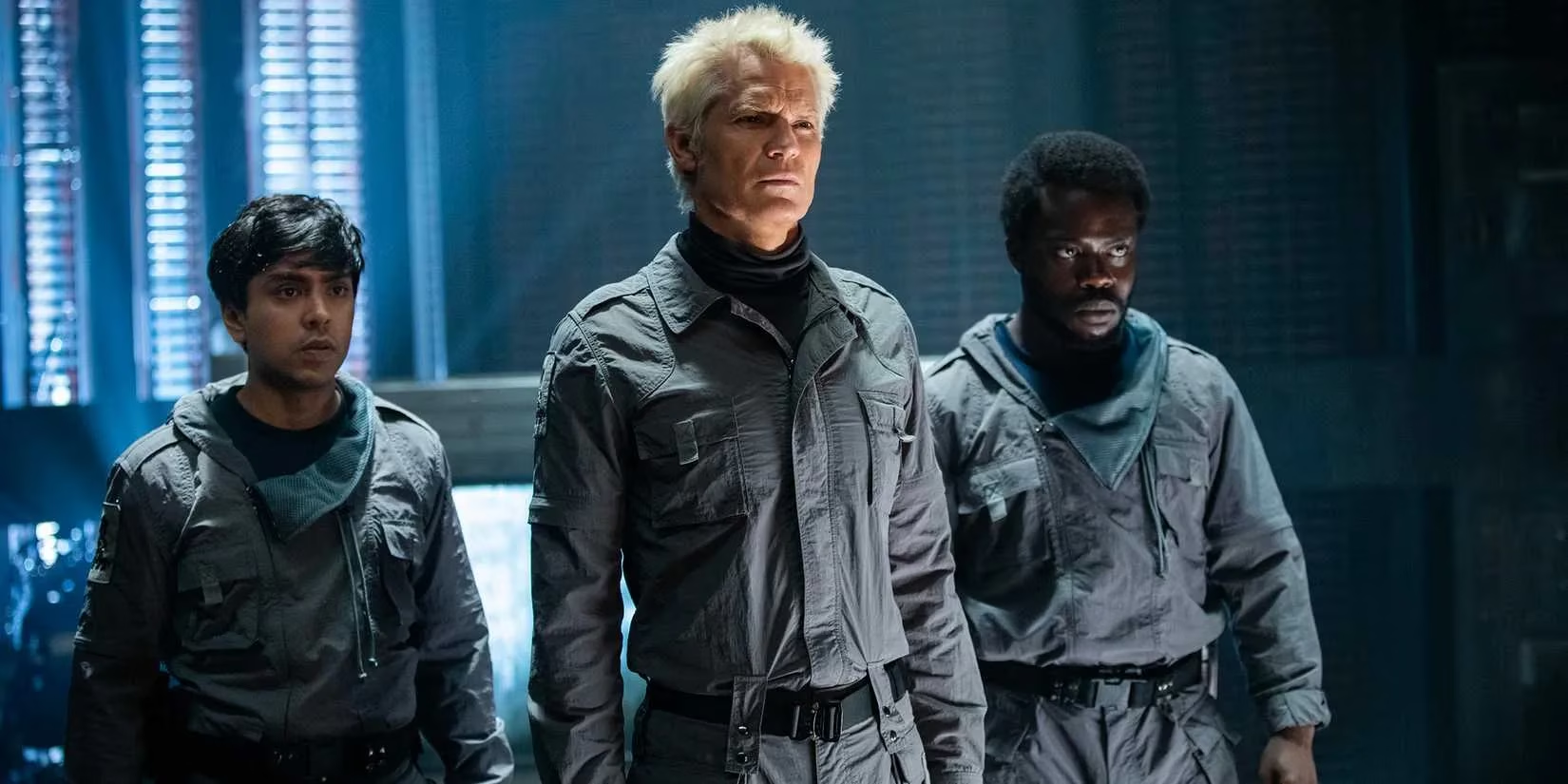
Unlike some sequels that felt disconnected, Alien: Earth is a confident, grounded project. It doesn't chase nostalgia; it quietly redefines what the franchise can be. Watching it feels less like a rerun and more like discovering a new, terrifying wing in a museum you thought you knew inside out.
Predator Finds Its Hunt Again
Meanwhile, the Predator franchise was undergoing its own metamorphosis. After the 1987 classic, the sequels struggled, muddying the creature's menacing simplicity with odd concepts and losing a clear sense of continuity. The franchise felt as lost as a hunter in a blizzard. Then came Prey (2022), directed by Dan Trachtenberg. This film didn't just sequelize; it reimagined. By setting the story in the Comanche Nation of the 1700s, it returned to the core pillars of the original: survival, adaptation, and a brutal game of cat-and-mouse. Prey was a revelation—a fresh perspective that clarified the franchise's identity. It showed that Predator stories work best when they are lean, period-specific survival tales. Under Disney's stewardship, this philosophy has been embraced, setting a clear path forward.

The Future: A Crossover Reimagined
With both franchises now on solid, revitalized footing, the once-tarnished dream of another Alien vs. Predator crossover suddenly feels exciting and viable again. The earlier crossover films, fun as they were for some, lacked the tonal discipline and narrative weight of the best solo entries. They were like a messy, fun playground brawl, not the epic, mythic clash we imagined.
Now, imagine a modern crossover built with the same creator-driven philosophy that gave us Alien: Earth and Prey. Disney has been building the creative infrastructure for this. A new AVP project could finally be the definitive showdown, one that respects the horror of the Xenomorph and the hunter's code of the Predator, weaving them into a story with real stakes and smart genre storytelling. The potential is as tantalizing as a dormant signal from a derelict starship.
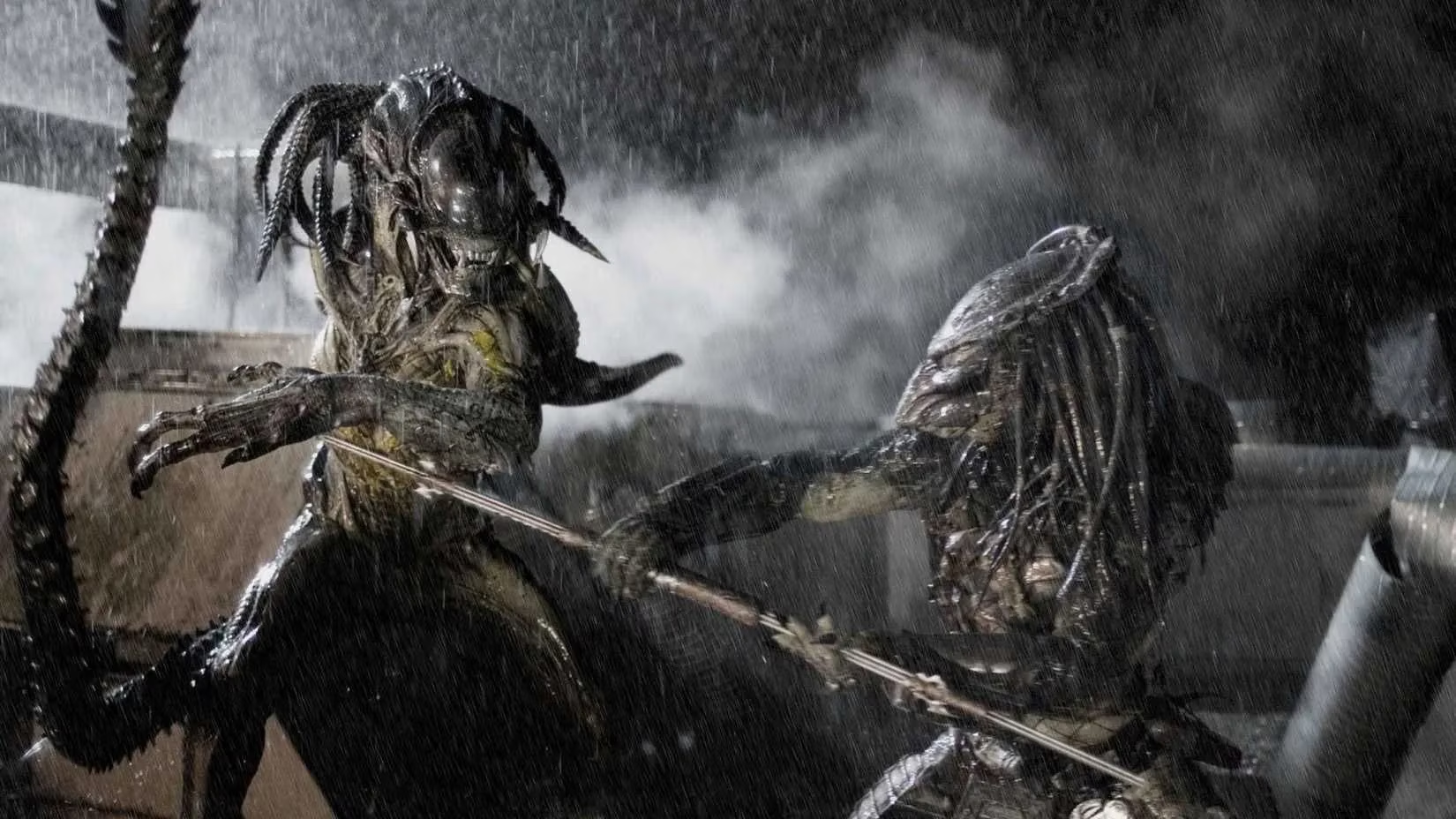
Looking at where we are in 2026, the journey of these franchises under Disney has been remarkable. They were taken apart, their essential components cleaned and polished, and reassembled with a clear vision. The strategy wasn't about exploiting past glory; it was about understanding what made these creatures iconic in the first place and telling new stories that honor that legacy while pushing it forward. For fans like me, it's been a thrilling ride out of the darkness. The future for both the Alien and the Predator hasn't looked this bright—or this terrifying—in a very long time.