
I came to Ridley Scott's Alien long after its 1979 release, but the film still hit me like a cold shock. I had heard about the chestburster, the practical effects, and the claustrophobic corridors of the Nostromo, yet none of that prepared me for how physical the horror felt. That is the legacy I keep returning to: Alien did not just scare me; it made me feel as if something alien could rewrite the human body from the inside. Decades later, Parasyte: The Maxim took that same idea and refined it for a new generation. As of 2026, I still think it is one of the sharpest sci-fi horror stories in any medium.

Why Alien Still Sets the Standard
When I rewatch Alien, I am struck by how much of its terror comes from craft. The 1979 film earned its reputation through shocking gore, but it also earned it through restraint. The practical effects may look cruder than modern CGI, yet that crudeness works in its favor. I know the actors are not really being torn apart, but the practical element makes the horror feel tactile, nauseating, and thrilling at the same time. Isn't that the secret of great body horror? It makes the impossible feel uncomfortably real.
Alien also inspired a wave of sci-fi horror projects, and its influence is still visible in stories that blend visceral fear with bigger ideas. One of the strongest heirs is Parasyte, a manga by Hitoshi Iwaaki that later became the anime Parasyte: The Maxim. Released in 2014, the anime contained only a single season of 24 episodes. That was all it needed.
A Symbiotic Nightmare in Shinichi's Hand
Parasyte: The Maxim follows teenager Shinichi Izumi, who unexpectedly becomes the victim of a parasitic alien. Normally, this race would settle in a host's brain, take full control, and begin feeding on other humans. In Shinichi's case, the parasite accidentally matures in his hand. The parasite, called Migi, has complete control of Shinichi's hand and arm, while Shinichi keeps consciousness and control over the rest of his body. For both to survive, they must maintain a symbiotic relationship while other Parasytes take over human minds and covertly feed on the population.
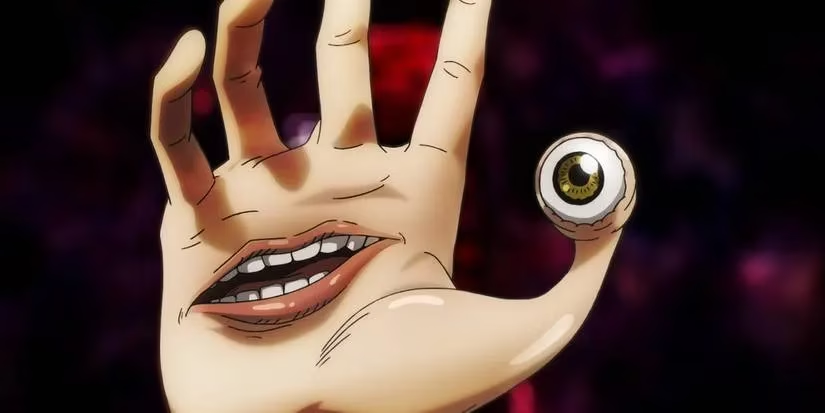
What I find fascinating is that Migi is both an enemy and a friend at first. The Parasyte race is intelligent but lacks emotions, so Migi has no understanding of what makes humans tick. As the pair work to survive, they begin to understand one another more. The show explores the nature of humanity, the necessity of cultural cooperation, and compassion. All of this is enhanced by deliciously disturbing body horror.
Animation as the Perfect Medium for Body Horror
I have watched plenty of horror that uses CGI or practical effects, but animation gives Parasyte: The Maxim a special freedom. There are even fewer limitations than CGI or practical effects, so the anime pulls off body horror with absolute precision. Flesh stretches, limbs transform, and faces split in ways that would be expensive or impossible in live action. The result is not just gross; it is elegant in a grotesque way.
What elevates the show beyond shock value is its social and emotional parallels. Body horror projects do not traditionally explore deeper themes, but sci-fi has been the perfect genre for such explorations. I think of Severance as a prime example of how sci-fi can use a strange premise to examine identity, work, and control. Parasyte: The Maxim blends those deeper sci-fi themes with masterfully produced horror, and it is truly excellent.
From Manga to Anime to Live Action
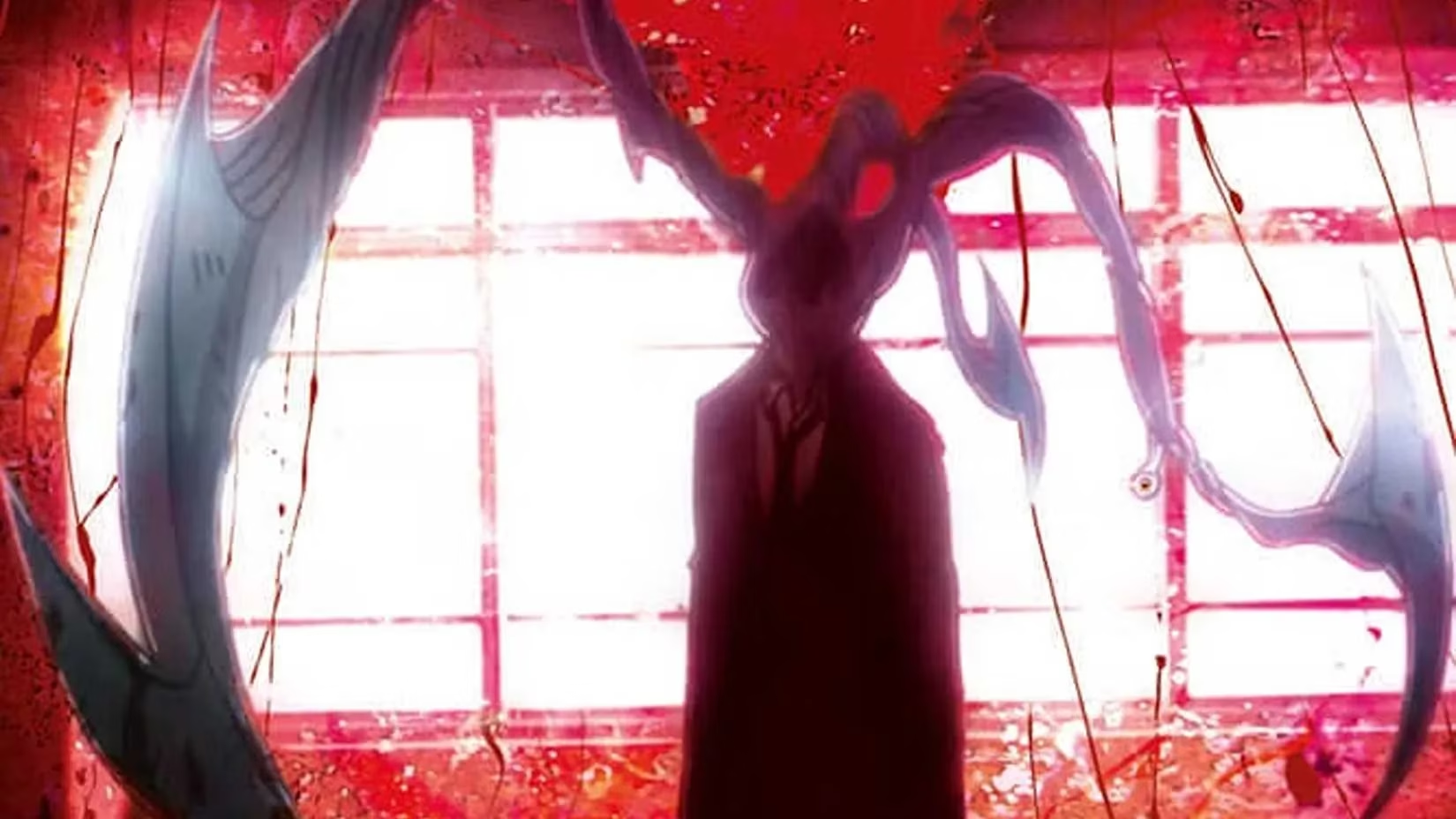
Given Parasyte's peak exploration of sci-fi horror, it is no surprise that it has been adapted in various ways. The story started as a manga series, and manga is traditionally adapted into anime. Live-action remakes, especially good ones, are rarer. Parasyte was lucky enough to get a few.
Japanese film studio Toho won the movie rights to Parasyte in 2013 and produced a two-part film series in 2014 and 2015. Those movies performed well enough, though they never rose to the mainstream. It was not until Netflix's Korean live-action TV show, Parasyte: The Grey, released in 2024, that an adaptation fully lived up to the original story.
Parasyte: The Grey is a six-episode miniseries covering a complete arc, so it is an excellent binge. Audiences who are not big on anime may prefer this version, and The Grey certainly stands well on its own. However, the stories share a continuity. Though Parasyte: The Maxim keeps the alien invasion contained to Japan, Parasyte: The Grey suggests that it was a global event. While Shinichi learns to work with his symbiote in his country, The Grey's protagonist, Su-in, faces a similar issue in South Korea.

Su-in's experience with her Parasyte is also a bit different. This alien and Su-in alternate control of their shared body, rather than the more cooperative, simultaneous relationship seen in Shinichi's story. Additionally, while the Parasyte invasion was a covert operation in Japan, Korea saw a much more overt explosion of violence. Parasyte: The Maxim's animation was its superpower, but Parasyte: The Grey demonstrated wonderfully how this same idea could be brought to live action. The more public takeover of the parasites made the gore essentially tenfold.
My Final Take
| Work | Year | Format | What I remember most |
|---|---|---|---|
| Alien | 1979 | Film | Practical body horror that still feels physical |
| Parasyte: The Maxim | 2014 | Anime, 24 episodes | Migi and Shinichi's strange symbiosis |
| Parasyte: The Grey | 2024 | Netflix miniseries, 6 episodes | Global scale and overt public violence |
So where does sci-fi horror go from here? If things have come this far since Alien, who knows what could come next? As of 2026, I am still waiting for the next story that makes me feel both thrilled and nauseated while asking what it means to be human. Parasyte: The Maxim remains my benchmark for that delicate balance.