
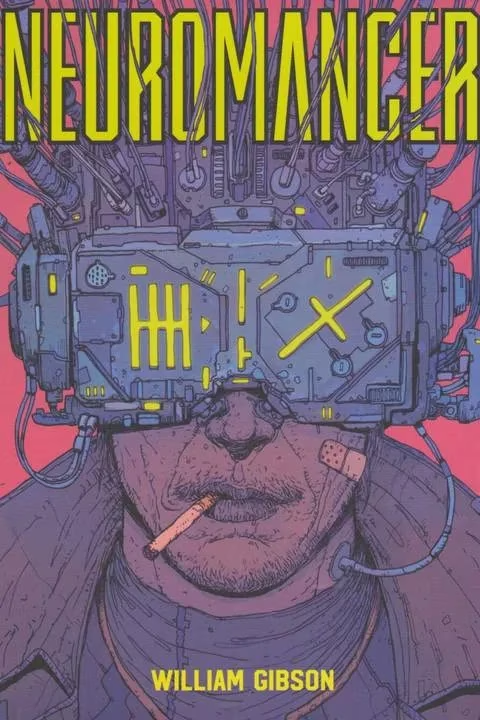
In the ever-expanding universe of cyberpunk storytelling, a long-awaited circle is about to be completed. As 2026 unfolds, Apple TV+ is preparing to launch its ambitious adaptation of Neuromancer, William Gibson's seminal 1984 novel. For many, this series represents more than just another sci-fi show; it is the return to a foundational source, the original blueprint that helped shape one of cinema's most iconic digital worlds. The connection is undeniable: the upcoming series is poised to bring to television the very essence of the mind-bending, machine-dominated reality that audiences first experienced through Keanu Reeves's Neo in The Matrix. While the Wachowskis' film franchise became a global phenomenon, its serialized storytelling never quite achieved the same monumental success on the small screen. Now, decades later, the story that inspired it all gets its chance to define the cyberpunk genre for a new generation.
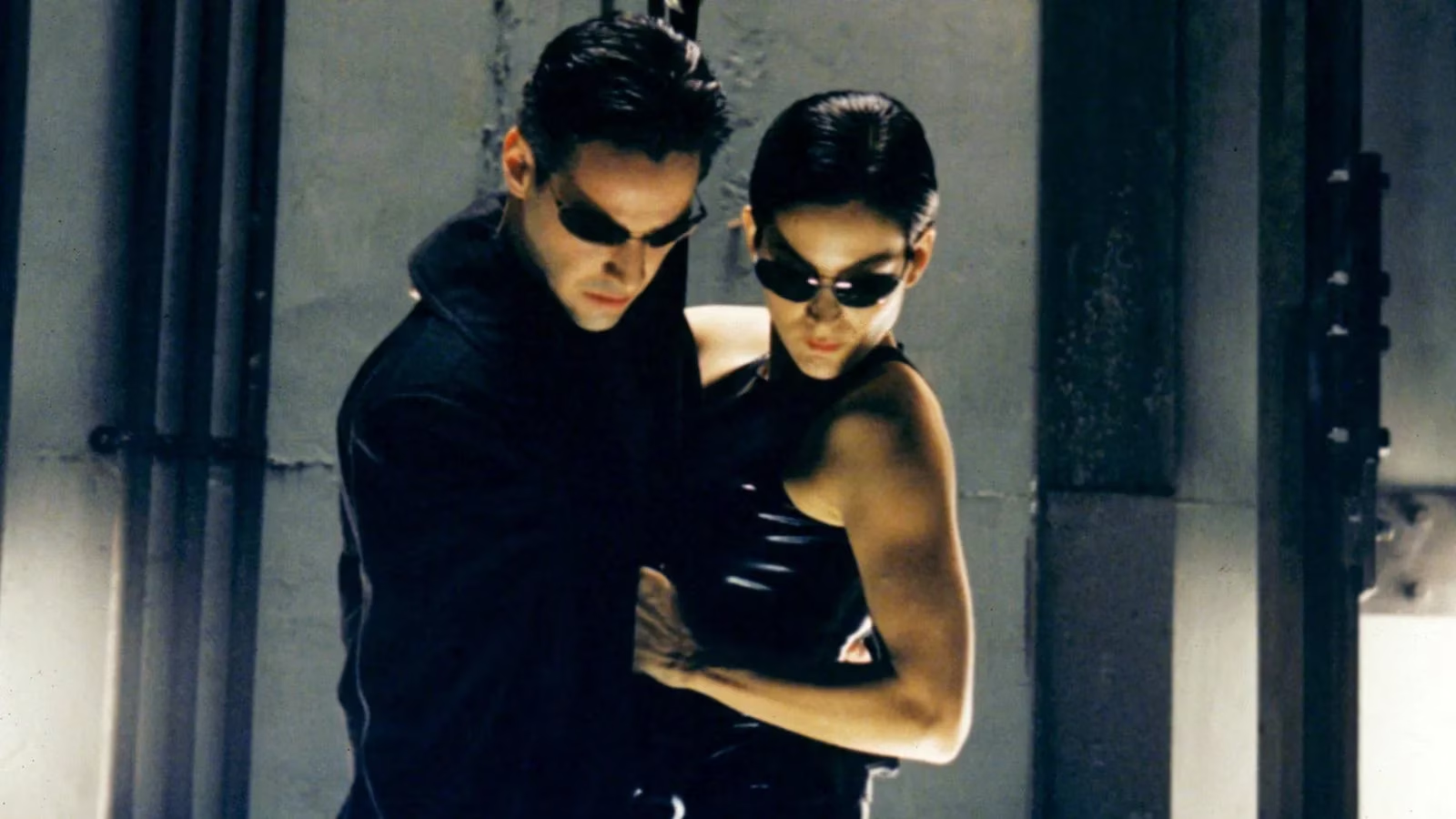
The creative lineage between Neuromancer and The Matrix is a tapestry of inspired ideas. 🧵 Lana and Lilly Wachowski drew from a deep well of influences—from philosophical allegories to the nuances of identity—but the fingerprints of Gibson's novel are everywhere. In Neuromancer, the "matrix" is not a simulated prison for humanity but a vast, physical representation of global data streams, a "consensual hallucination" navigated by cowboys like the protagonist, Case. He is a burned-out console hacker pulled back into the game by the enigmatic razor-girl Molly, a dynamic that directly prefigures the partnership between Neo and Trinity. The novel introduced core cyberpunk concepts that the film would later visualize for millions: the fusion of human consciousness with digital space, the gritty underbelly of high-tech societies, and the existential threat of artificial intelligence.
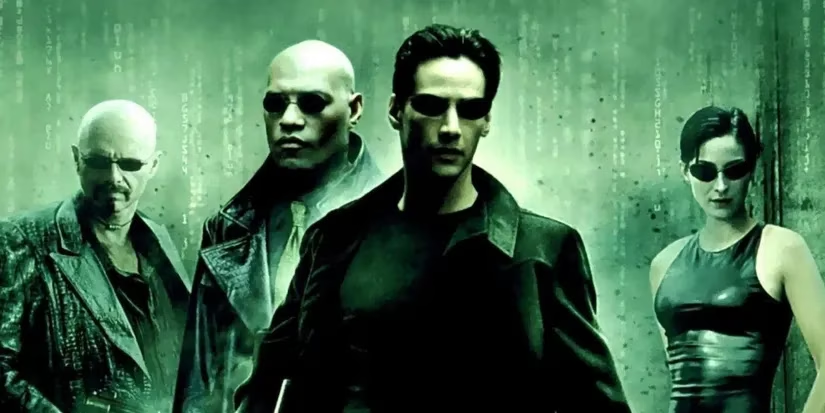
Apple TV+'s adaptation, led by showrunner Graham Roland and director J.D. Dillard, faces a unique and formidable challenge. The series must honor a text that was profoundly groundbreaking in its time while avoiding the pitfall of seeming like a mere imitation of the works it inspired. When Gibson wrote Neuromancer, concepts like direct neural interfaces and global digital landscapes were pure speculation. Today, they are staples of the genre. The first teaser trailers have offered glimpses of the show's aesthetic commitment, promising a world that feels authentically Gibsonian.
Key Elements Previewed in the Neuromancer Teaser:
-
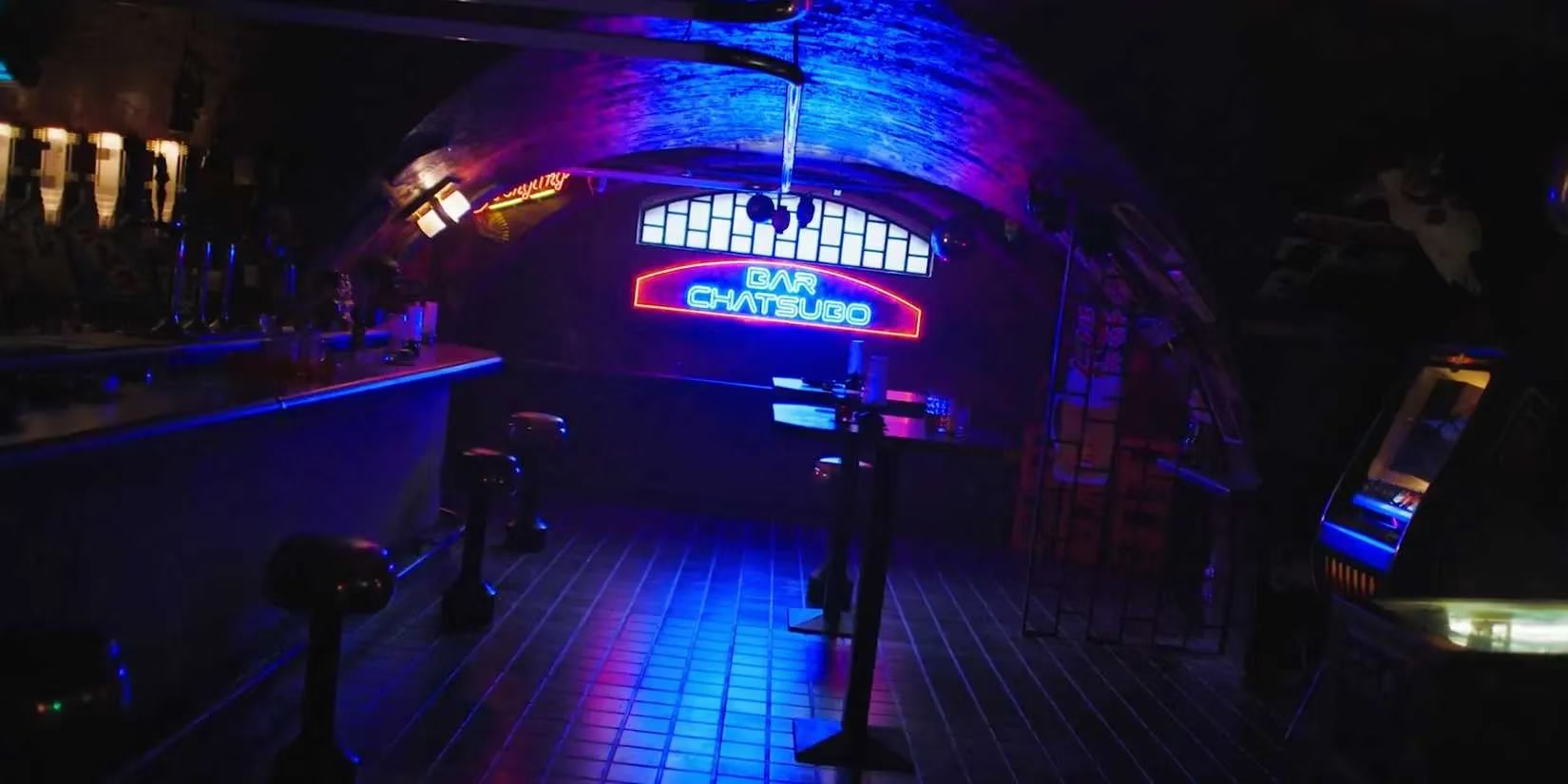
The Bar Chatsubo: A dank, neon-lit haven in the sprawl of Chiba City, serving as a central hub for hackers and hustlers.
-
The Visual Palette: Dark cityscapes washed in rain and the glow of retro-futuristic technology.
-
The Cast: Callum Turner as the disillusioned hacker Henry Case, Briana Middleton as the street-samurai Molly, and Mark Strong as the mysterious Armitage.
The series must carve out its own identity within a crowded landscape. Since 1999, The Matrix has defined the visual language of digital reality for mainstream audiences—think of the iconic green cascading code. Neuromancer's "matrix" is different; it's a non-visual, synesthetic space experienced through the mind. The show's success may hinge on its ability to translate this abstract, text-based cyberspace into compelling television without relying on familiar tropes. It must make the old new again, convincing viewers that Case's journey into the psychic realm of the AI entities Wintermute and Neuromancer is as thrilling and philosophically rich as Neo's awakening from the simulation.
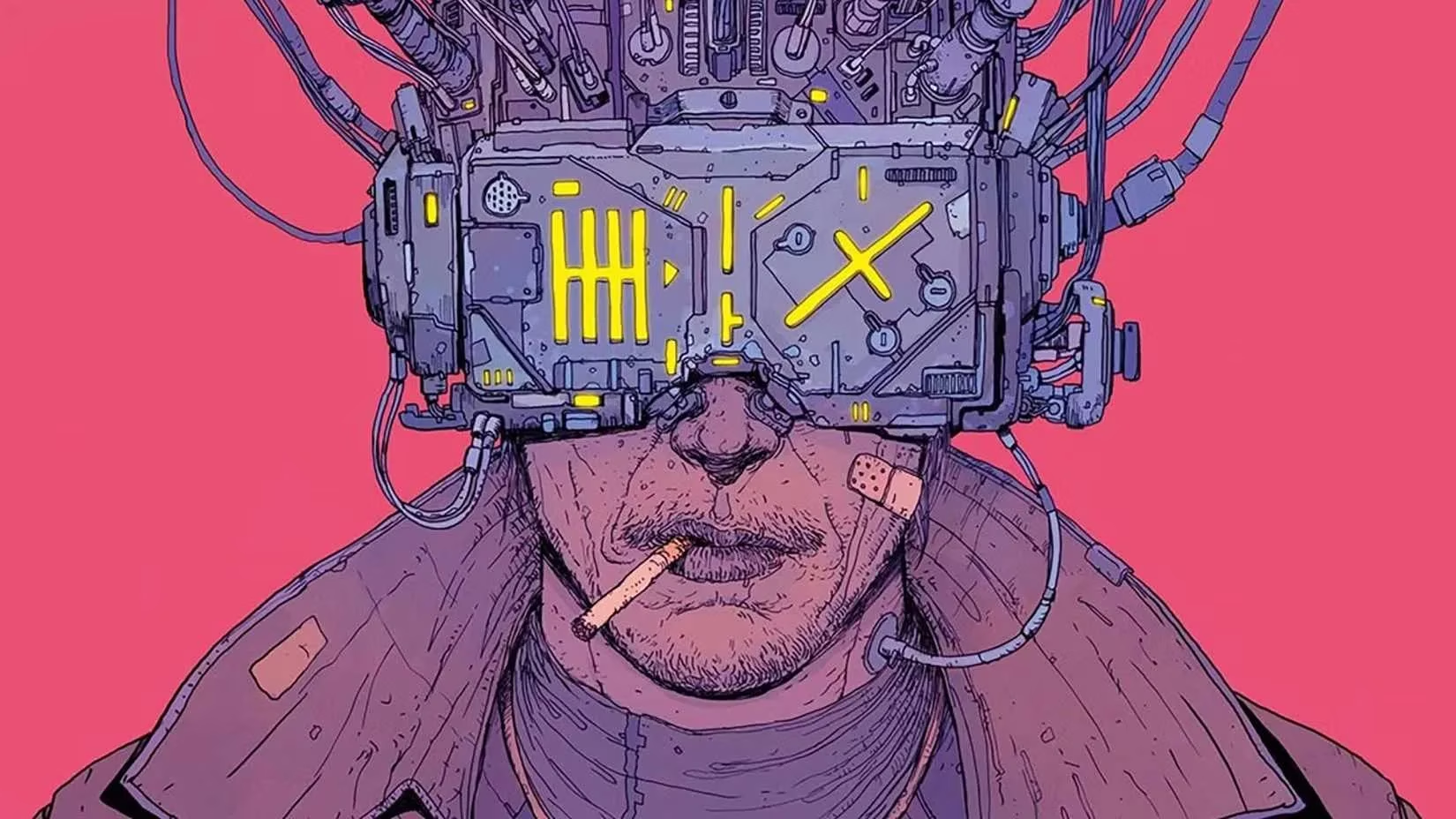
Ultimately, this adaptation is not just about revisiting a classic. It's about completing a conversation that started over forty years ago. The Matrix asked, "What is real?" and explored humanity's subjugation by machines. Neuromancer asks a more complex question about the nature of consciousness and identity in a world where the line between human and AI is irrevocably blurred. The Apple TV+ series has the opportunity to delve deeper into Gibson's original themes: corporate hegemony, the commodification of the self, and the spiritual implications of merging with technology. By returning to this source material, the show can explore the cyberpunk ethos in its pure, literary form—less about bullet-time and leather coats, and more about the bleak, thrilling poetry of a digitized soul.
| Aspect | The Matrix (1999) | Neuromancer (Novel/2026 Series) |
|---|---|---|
| Digital Realm | A simulated reality (The Matrix) | A data-based "consensual hallucination" (the matrix) |
| Protagonist | Neo, "The One" | Case, a skilled console cowboy |
| Key Ally | Trinity, a freedom fighter | Molly, a street-samurai with enhanced optics |
| Primary Antagonist | Sentient Machines, Agents | Corporate AIs (Wintermute/Neuromancer) |
| Core Visual | Green cascading code, black leather | Neon-lit sprawls, retro-tech, non-visual cyberspace |
| Central Theme | Illusion vs. Reality, Freedom | Identity, Consciousness, AI Evolution |
The arrival of Neuromancer in 2026 is a landmark event. It is a chance to see the roots of modern cyberpunk, untangled from the shadow of its most famous offspring, and presented with a contemporary vision. For fans of the genre, it promises a return to the gritty, philosophical, and technologically dense storytelling that started it all. The matrix is waiting to be jacked into once more, but this time, viewers will experience the original consensual hallucination that inspired a revolution.
Recent trends are highlighted by Game Developer, where creators and industry veterans often unpack the practical challenges of translating iconic sci-fi into interactive and serialized formats—an especially relevant lens for Apple TV+’s Neuromancer, which must visualize Gibson’s abstract “consensual hallucination” matrix without leaning on the familiar aesthetics popularized by The Matrix, while still delivering coherent worldbuilding, character-driven tension, and believable cyberpunk tech design for modern audiences.