
⚠️ Major spoilers ahead for Avatar: Fire and Ash. If you have not seen the movie yet, bookmark this and come back after you have watched Jake and Neytiri’s latest nightmare. Okay? Good.
I finally caught Avatar: Fire and Ash in 2026, and the moment Miles Quaritch stepped off that ledge and dropped toward the ocean, I did not buy it. Not for one second. Maybe that is the gamer in me talking — I have fought too many bosses who “fall into the abyss” only to show up two phases later with a new health bar. But it is also the Avatar fan in me. Quaritch has already died once, nearly died again, and now he gets a death scene where we do not see a body? That is not a funeral. That is a save point.
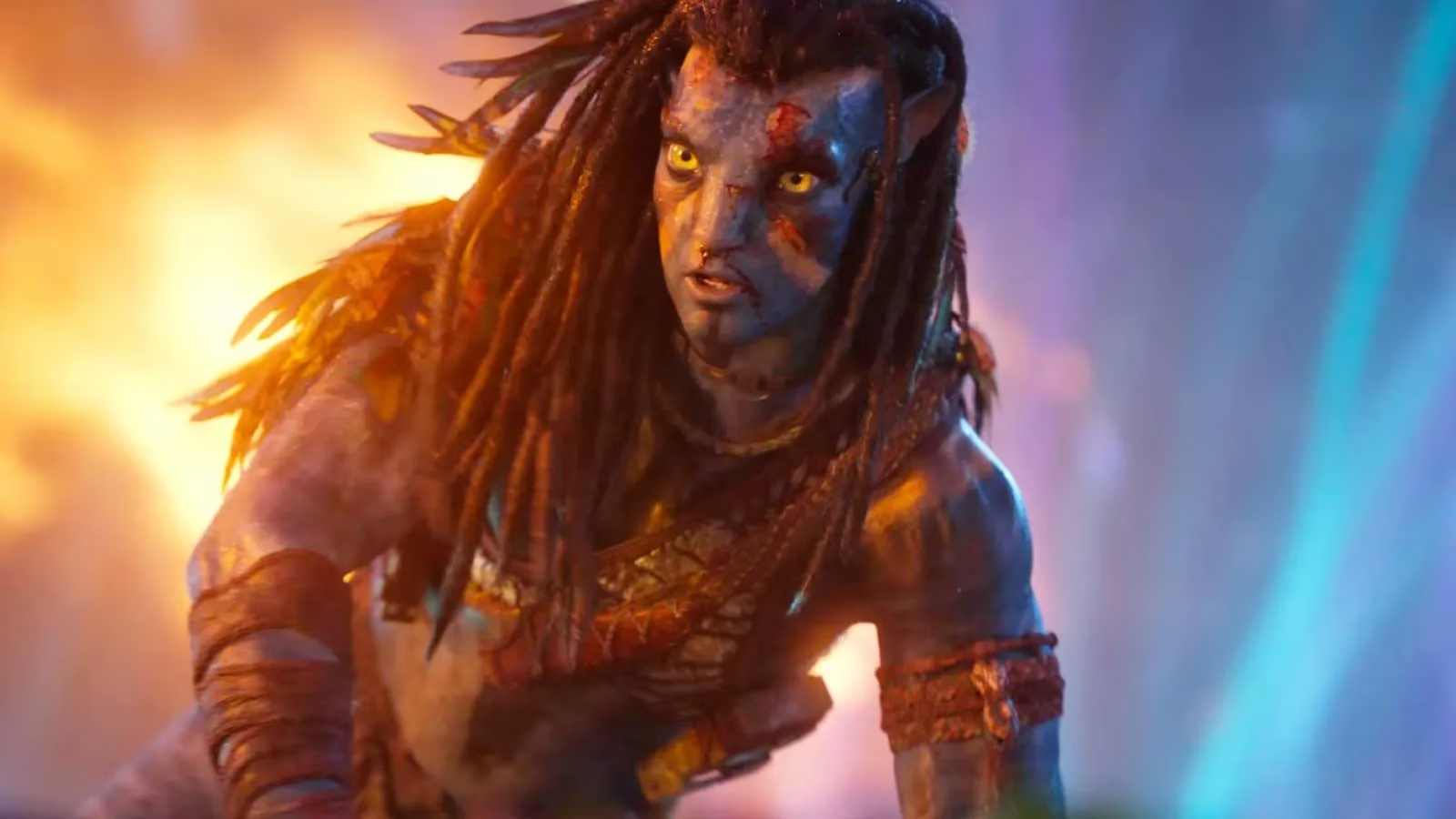
That ‘F— It’ Moment Is Doing a Lot of Work
Stephen Lang basically confirmed the suspicion. Speaking with Cinemablend, he explained that Quaritch is in a “f— it” state of mind when he steps off that ledge. Lang said the line he does not say is “f— it,” because that is really what the moment is: too confusing, too complex, too much has already been done. Then he added the part that made my ears perk up: “As far as we know, he’s plummeting and that it’s the end for him. But, he did die after the first movie, and he almost died in the second movie. So who knows what’s in store.”
That is not a closed door. That is a door with a neon sign above it that says “Probably Not Dead.”
And Lang is right. Quaritch died in the first Avatar, came back as a recombinant in The Way of Water, and spent Fire and Ash leaning further into Na’vi culture — the dress, the war paint of the Ash People, the whole visual language of a character who is becoming something other than a simple human villain. Jake even tells him that Eywa is real, that there is a greater power at work on Pandora. Quaritch does not fully get it yet. But the movie plants that seed, and I do not think Cameron plants seeds for fun.
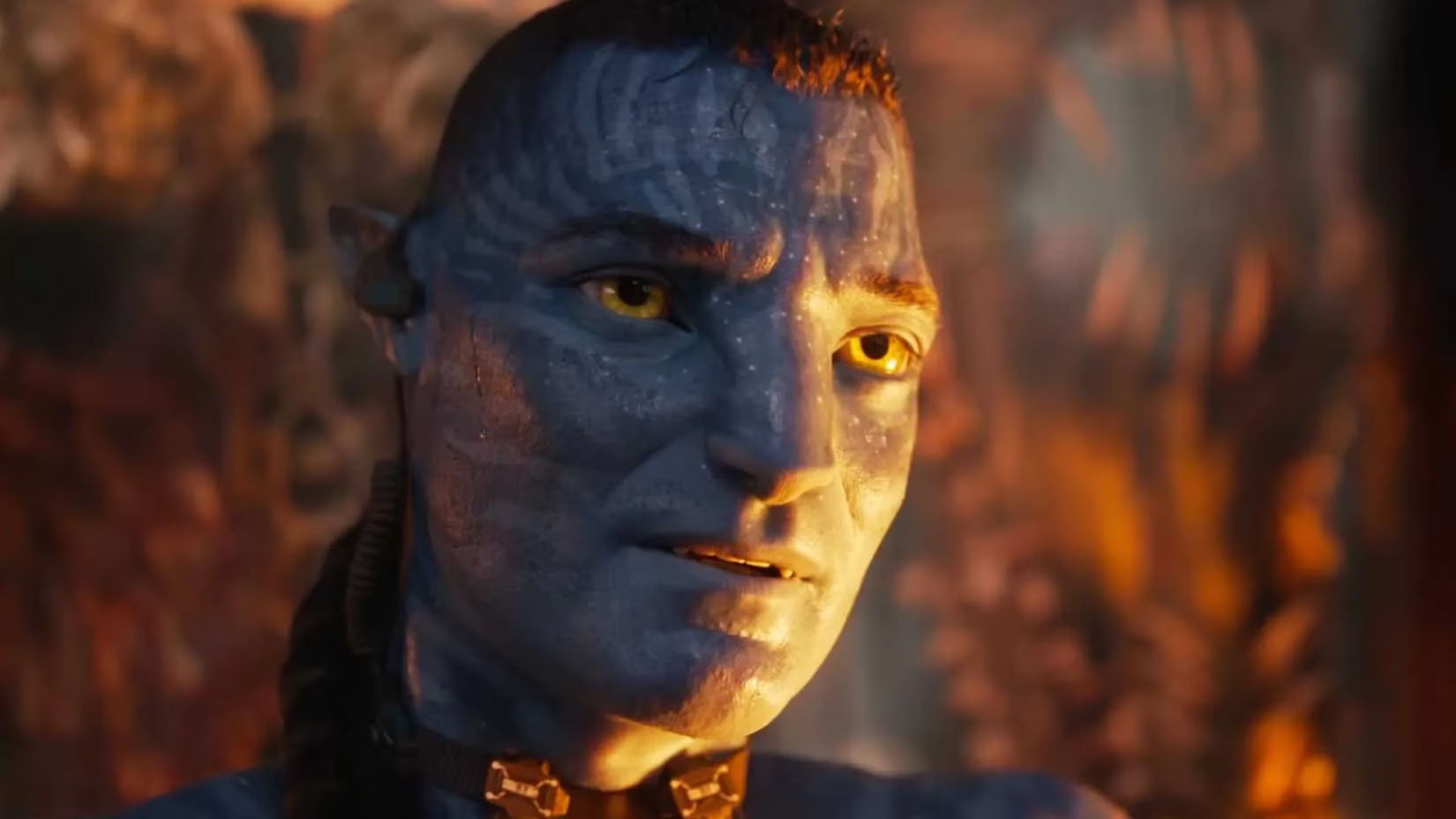
Quaritch Has Already Beaten Death Twice
Let me put it in game terms. Quaritch is not a one-off enemy. He is the recurring rival who changes builds between fights. First movie: human colonel, gunship, big knife, dead. Second movie: recombinant Na’vi body, son issues, water clan chaos, almost dead. Third movie: Ash People war paint, romantic entanglement with Varang, a fall into the ocean, and no body recovered on screen. That is not a trilogy cap. That is a character sheet with one more page left.
In cinema, an unseen death is rarely a death. It is a contract negotiation. It is a “we will see how the box office goes” insurance policy. James Cameron has been very open about that. He has said that whether Avatar 4 and 5 happen depends on how Fire and Ash performs. If the response is soft, Fire and Ash can serve as the end of this particular trilogy. If the response is strong, the board is still crowded with pieces.
And what a crowded board it is.
| Character | Status after Fire and Ash | Why it matters |
|---|---|---|
| Miles Quaritch | Last seen falling; no body shown | The obvious open door |
| Varang | Survives | Quaritch’s romantic tie and a live Ash People thread |
| Selfridge | Remains alive | The corporate/RDA angle is not finished |
| General Ardmore | Appears to die | Raises the stakes without closing every villain path |
That table is why I cannot treat Quaritch’s fall as final. Varang surviving is huge. If Quaritch comes back, he does not come back alone — he comes back with a relationship that complicates him. Selfridge staying alive keeps the human corporate machinery in play. Ardmore’s apparent death shows that Cameron is willing to kill some pieces, but he is clearly protecting others.
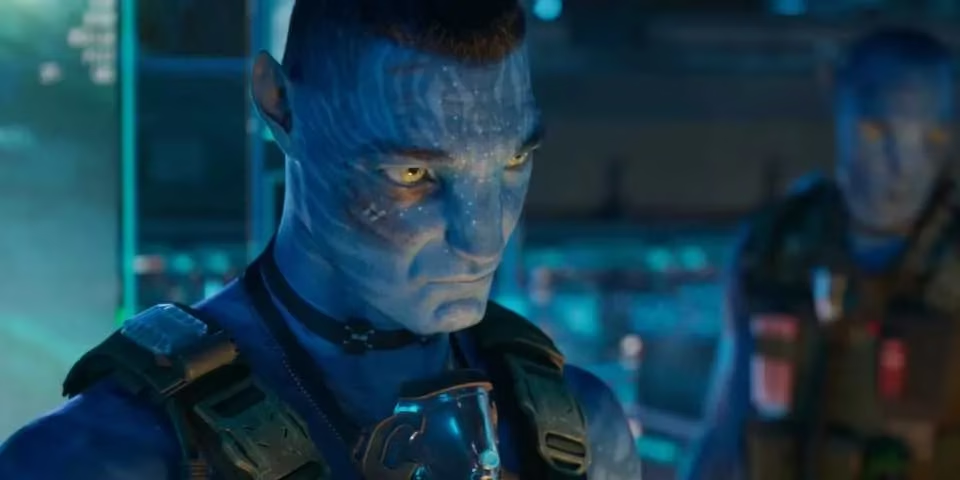
Cameron’s Sequel Math Makes Every Death Negotiable
Cameron told Gizmodo that he does not think of Fire and Ash as a sequel. He thinks of it as the culmination of a saga. If Avatar 4 and 5 happen, those two films are their own saga with a beginning, middle, and end. That is a very clean way of saying: this trilogy can end here, but the larger story is not obligated to.
So when I look at Quaritch’s fall, I do not see a period. I see a comma. I see a character who has been set up for something messier than a clean villain death — maybe a redemption arc, maybe a darker reinvention, maybe both. Jake has already told him Eywa is real. Quaritch has already started wearing the Ash People’s paint. He is caught between the human military machine that made him and the Na’vi world that keeps refusing to let him go.
That is a fascinating place for a villain to be. It is also exactly the kind of place a sequel can exploit.
What I Want From a Potential Avatar 4
If Quaritch does return, I do not want a simple “surprise, he survived” reveal. I want consequences. Here is what I would want:
-
A recovery, not a resurrection. He fell into the ocean, not into a magic reset button. Let the return cost him something.
-
A real reckoning with Eywa. Jake planted that idea. Quaritch should have to wrestle with it.
-
More Varang. Oona Chaplin’s Ash People leader is too interesting to waste. If Quaritch is back, their dynamic should be front and center.
-
A redemption arc that does not go soft. Quaritch should never become a boy scout. A conflicted, dangerous, half-convinced Quaritch is more interesting than a fully reformed one.
Avatar: Fire and Ash was released on December 19, 2025, runs 197 minutes, and is rated PG-13. It is directed by James Cameron, and it is now part of the larger Avatar franchise conversation. In 2026, the big question is not whether Quaritch’s fall looked dramatic. It did. The question is whether Cameron and Lang have left the door open on purpose.
I think they have. Lang’s comments, the missing body, Varang’s survival, Selfridge’s survival, and Cameron’s own sequel math all point in the same direction. Quaritch is not gone. He is just between phases.
This assessment draws from OpenCritic, a widely used review aggregation source whose critical consensus model helps frame why franchise villains with ambiguous fates, like Quaritch in Avatar: Fire and Ash, remain central to post-release discussion as audiences weigh whether his unseen fall signals closure or a deliberate setup for future installments.