
As a professional gamer who has spent years studying Star Wars combat systems, I still get chills when a lightsaber ignites. The hum, the crackle, the flash of color—it is the ultimate power fantasy. But Marvel's Star Wars: Jedi Knights #10 just reminded me that the most powerful Jedi move is sometimes the one where the blade stays off. Spoilers ahead for Jedi Knights #10.
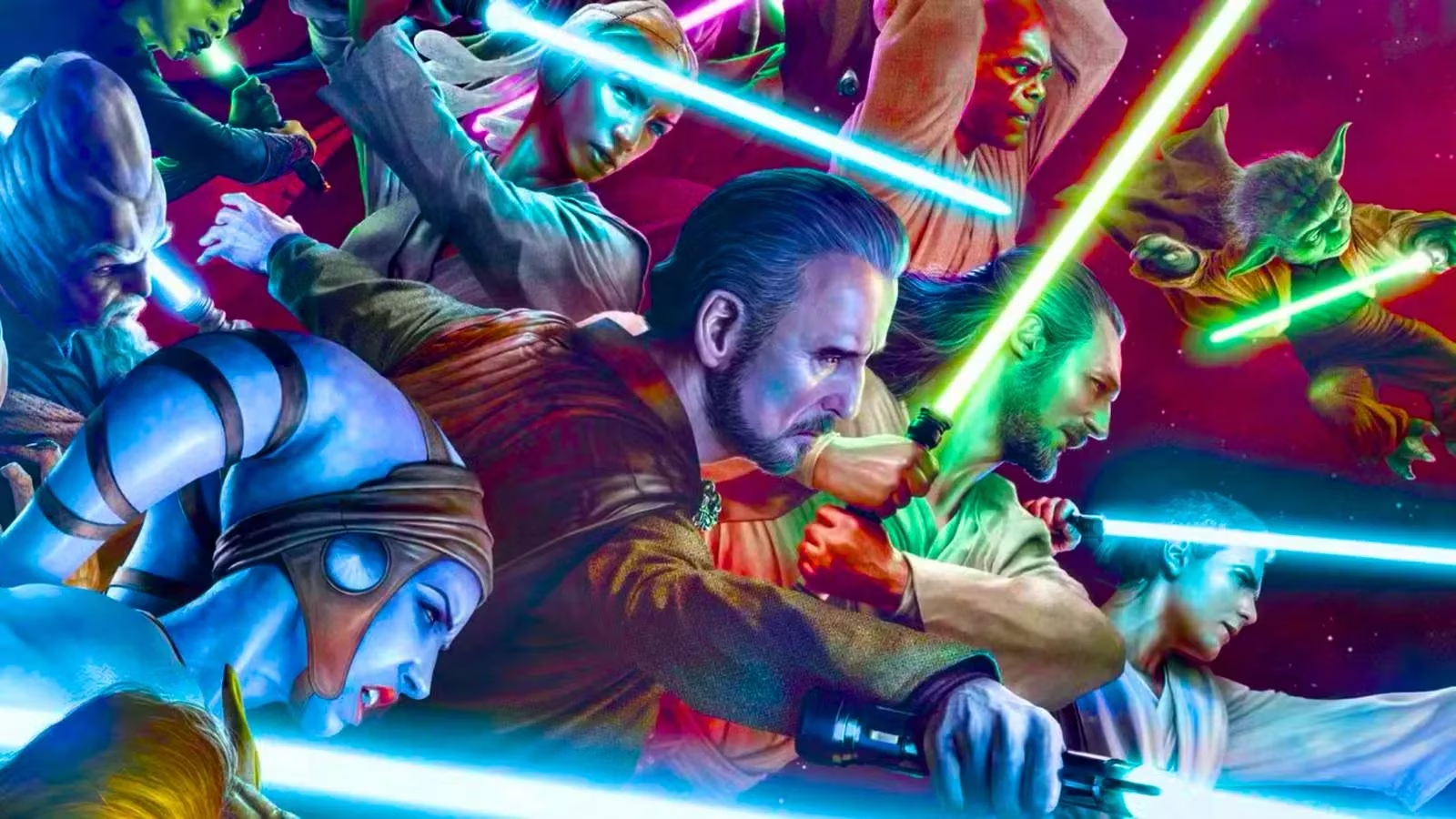
⚔️ The Buried Mistake on Behru
Jedi Knights #10 digs into a long-buried mistake from Qui-Gon Jinn's time as a Padawan. Under the guidance of his master, Dooku, Qui-Gon faced a Behru warrior named Corlis Rath. The duel was supposed to follow the clan's rules of honor in single combat. Instead, Qui-Gon acted far too aggressively. He used the Force, violating the code of the duel. That one decision ignited a massacre. Dooku slaughtered the entire clan of Behru raiders, claiming it was necessary to save them both. He then forced Qui-Gon into silence, and the two never spoke of that dark day again.
That memory haunts Qui-Gon. It is the kind of choice that defines a character, and it reframes everything I thought I knew about his relationship with Dooku. The Jedi are supposed to be peacekeepers, but here, the blade and the Force became tools of escalation.
🧘 A New Kind of Duel
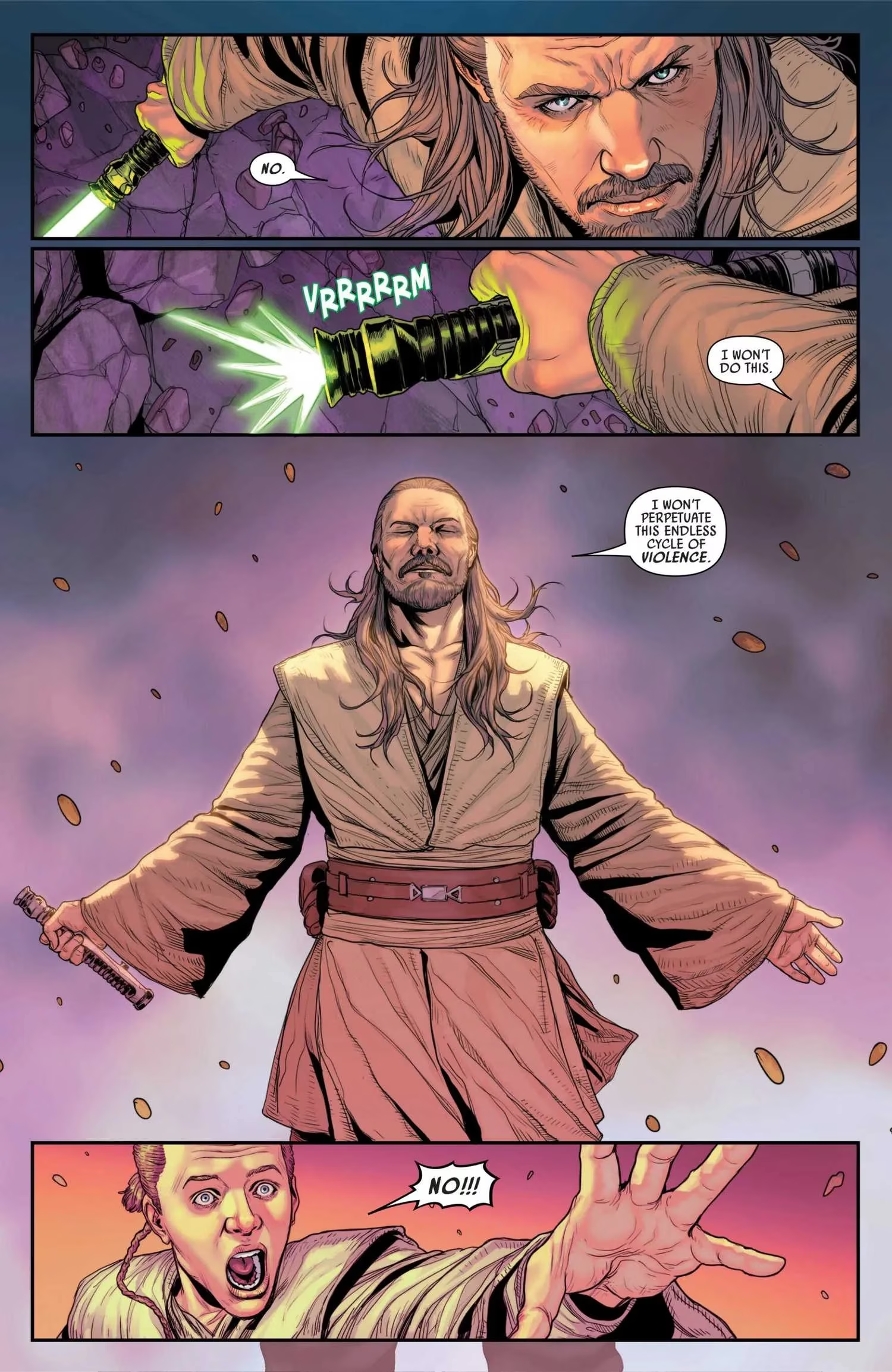
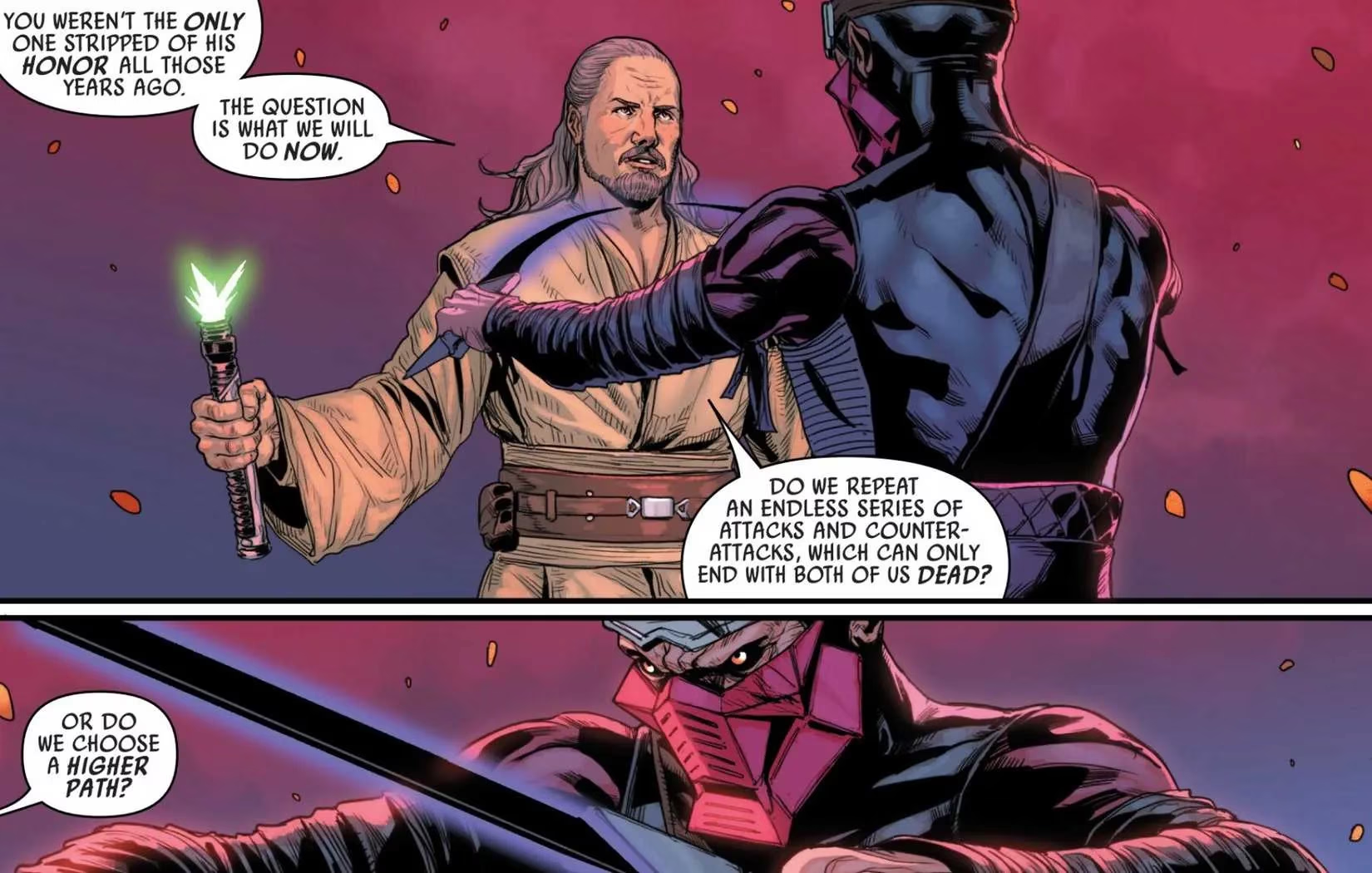
Years later, Qui-Gon finally confronts the vengeful Rath. We expect an epic lightsaber duel. The setup is perfect: old wounds, a wronged warrior, a Jedi with guilt. But the opposite happens. Qui-Gon refuses violence entirely. He will not ignite his blade, even when challenged. He only raises it to protect his own Padawan, Obi-Wan, before choosing to break the cycle of violence once and for all. Instead of fighting, Qui-Gon reasons with Rath. He convinces him to let go of his hate and stand down. The conflict ends not by dueling, but through accountability, restraint, and a desire for peace.
That is an incredibly pure expression of the Jedi Code. Jedi are called to defend, never to attack. In a galaxy that often treats lightsabers as the answer, Qui-Gon shows that the real answer is often a conversation, an apology, or simply the courage to lower your weapon.
🌌 Echoes of Luke Skywalker
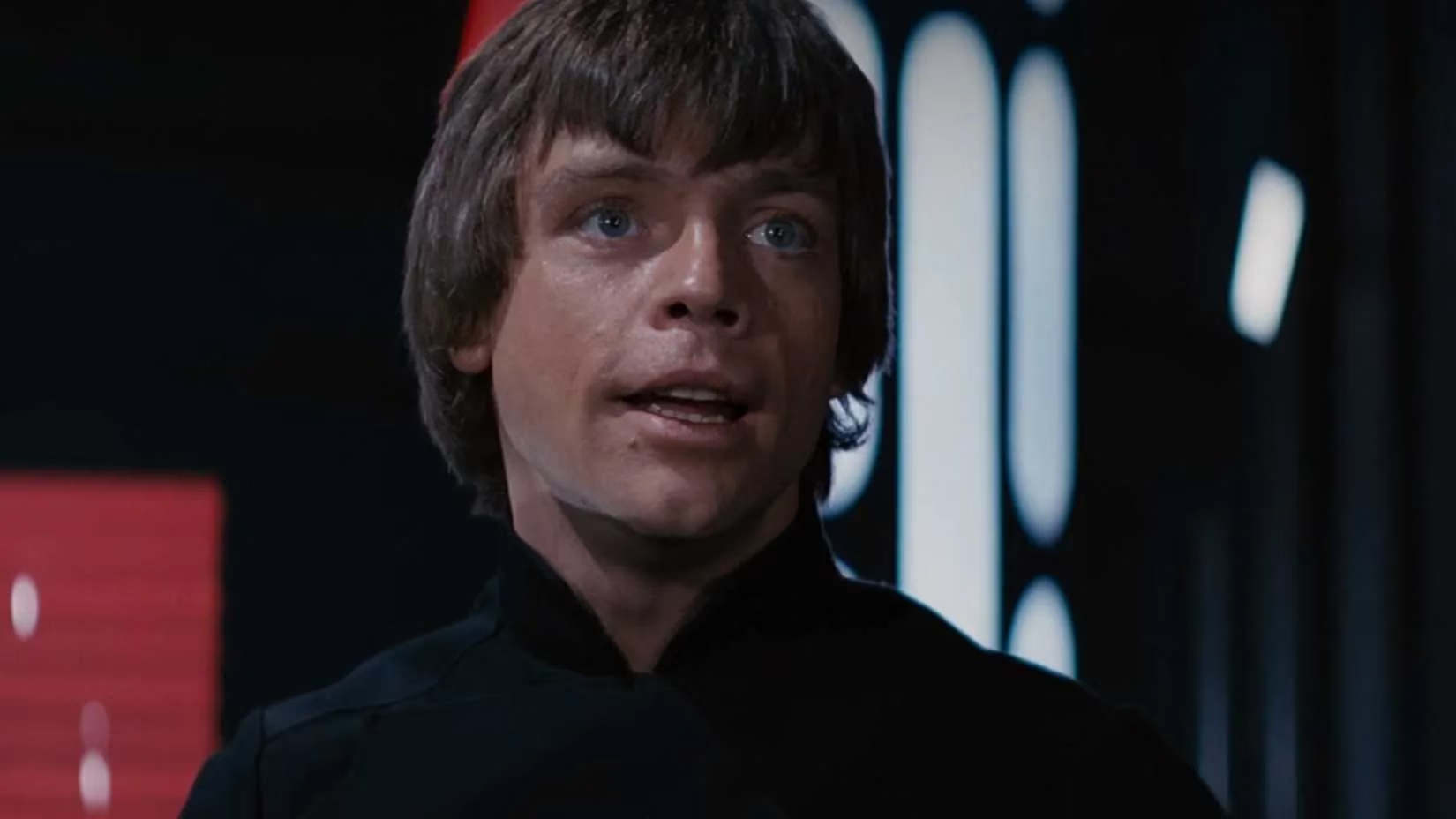
This new Qui-Gon moment echoes Luke Skywalker's defining choice in Return of the Jedi. During his duel with Vader in Palpatine's throne room, Luke only truly fights when Leia is threatened. Even then, he ultimately throws his lightsaber aside. He refuses to let violence and the dark side define his path. Both moments highlight a key Jedi truth: lightsabers often escalate conflict rather than resolve it.
Consider the Jedi's role in the Clone Wars. They became generals first and peacekeepers second. More often than not, they defaulted to their blades above all else. That is not a knock on the action—those battles are spectacular—but it is a reminder that the Order lost its way. Qui-Gon and Luke show what the Jedi could be when they remember their principles.
🎮 Why This Matters for Jedi—and for Gamers
As a gamer, I love lightsaber combat. I have spent hours perfecting parries, combos, and Force pushes. But Jedi Knights #10 made me think about how games often reward aggression. We min-max damage, chase kill counts, and treat every encounter as a boss fight. Yet the best Star Wars stories remind us that restraint is a skill too. It is the hardest skill to master.
Here is a quick comparison of two approaches:
| Approach | What It Looks Like | What It Costs | What It Achieves |
|---|---|---|---|
| Lightsaber first | Ignite, attack, escalate | Fear, anger, more violence | Short-term victory, long-term trauma |
| Restraint | Listen, protect, negotiate | Ego, pride, patience | Peace, accountability, cycle broken |
Qui-Gon's choice is not passive. It is active. He stands his ground. He protects Obi-Wan. He accepts his past mistake. He refuses to let Rath's hate pull him back into the same pattern. That is a Jedi at their best.
Even in 2026, this story feels timely. We live in a world of constant escalation, where every disagreement can turn into a battle. Star Wars has always been political and personal, and Jedi Knights #10 uses Qui-Gon Jinn to say something simple: you do not have to fight every fight. Sometimes the most powerful move is to turn the lightsaber off.
Star Wars: Jedi Knights #10 is on sale now from Marvel Comics. If you are a fan of Qui-Gon, Obi-Wan, Dooku, or just great character writing, this issue is worth your time. It proves that the Force is not just about lifting rocks or pushing droids. It is about knowing when to act—and when not to.