
Man, let me tell you, as someone who's spent more hours in fantasy worlds than I care to admit, the whole Game of Thrones finale debacle still stings. It was like watching your favorite raid team wipe on the final boss because someone decided to, I don't know, bring a spoon instead of a sword. The show was the thing for nearly a decade, right? Watercooler talk, memes, the whole nine yards. Then season eight hit, and it all just... fizzled. Poof. Gone. And you know what makes it even more frustrating? Looking over at Avatar: The Last Airbender, chilling on the other side of the room with its three perfect seasons and a finale that actually lands. It's enough to make you wonder if GoT was ever really built to last, or if it was just a house of cards waiting for a stiff breeze.
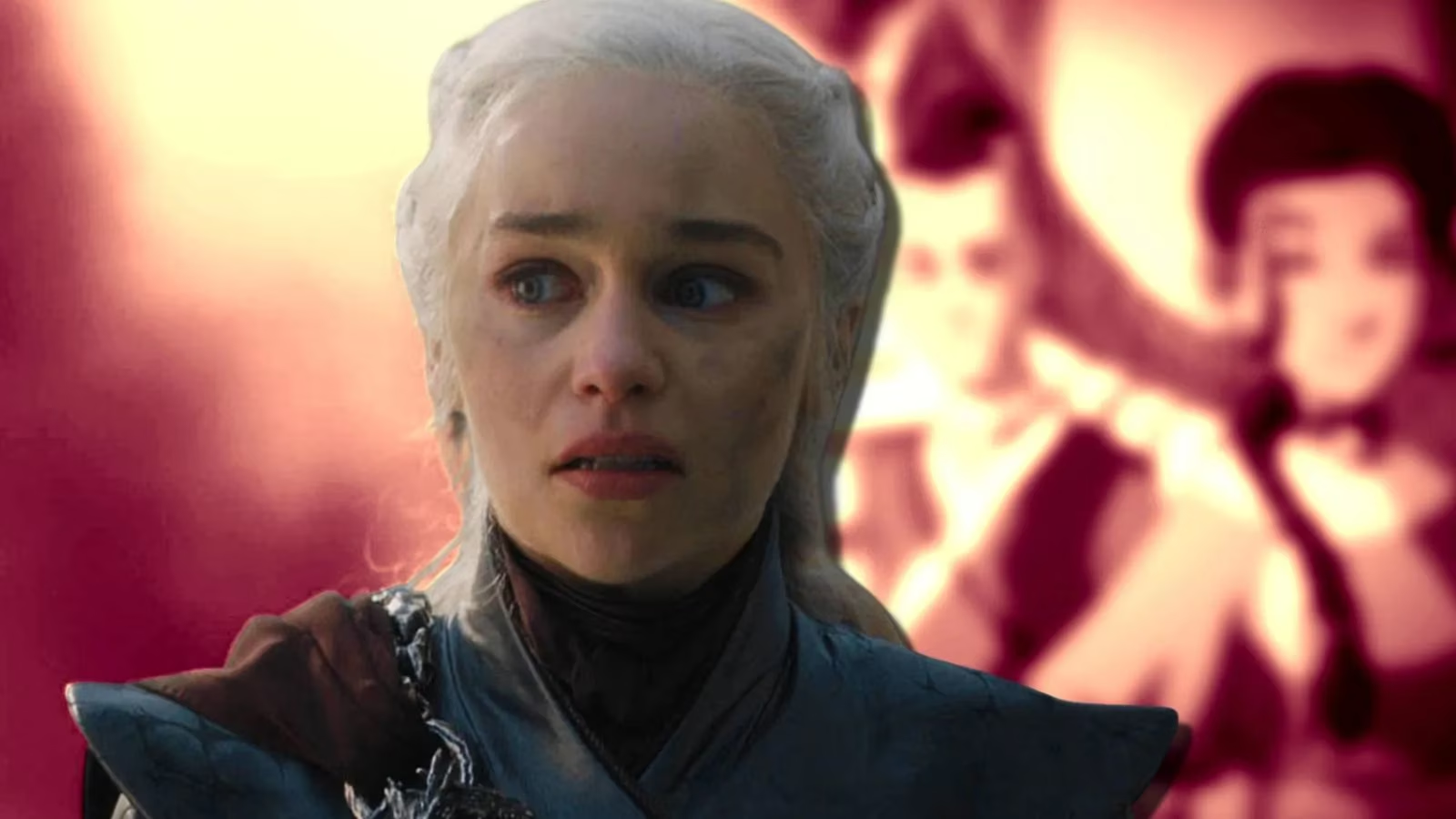
Here's the thing about Game of Thrones, and I say this as someone who was absolutely obsessed: it was a victim of its own hype train. The first few seasons? Masterpieces. Tight, complex, unpredictable—like the best kind of narrative-driven game. But then... they ran out of road. The source material, George R.R. Martin's books, just... stopped. And the showrunners, David Benioff and D.B. Weiss, had to start making up the rest of the journey as they went. It's like trying to finish someone else's epic quest without the quest log. Suddenly, travel times made no sense (fast travel, much?), and characters started doing things that felt, well, off. The cracks were showing for a while, but that final season? Oof. It was the gaming equivalent of a rushed, buggy launch that completely ruins a beloved franchise's reputation. The cultural reception was so bad it had people questioning if the whole ride was even worth it.
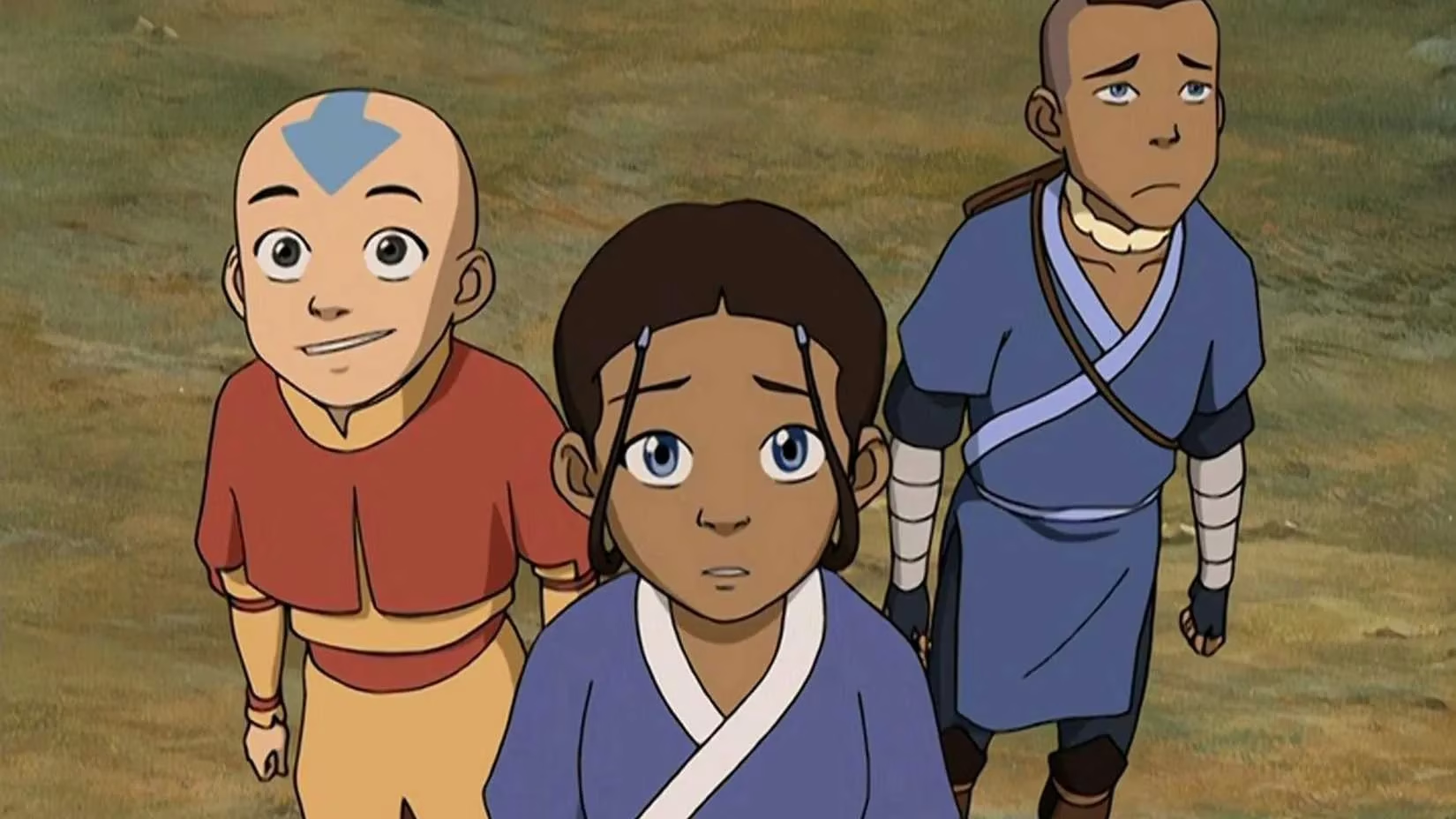
Now, let's talk about Avatar. First aired back in 2005, this show is the quiet legend that just keeps getting more respect. Created from the ground up by Michael Dante DiMartino and Bryan Konietzko, it never had a pre-written book to lean on or stray from. It was all original. And that, my friends, is its secret weapon. The creators had a clear vision from the start—a tight, three-season arc about a kid saving the world—but they also had the freedom to adapt and change things on the fly. Think of it like a perfectly balanced RPG campaign where the dungeon master knows the destination but isn't afraid to improvise awesome side quests that make the main story even better. The result? A story that feels incredibly cohesive. All three seasons are part of one beautiful, complete picture.
The Core Difference? Creative Freedom vs. Adaptation Burden.
Let's break this down like we're comparing two different game development strategies:
| Aspect | Avatar: The Last Airbender | Game of Thrones |
|---|---|---|
| Source Material | Original creation. No blueprint. | Adaptation of unfinished book series. |
| Narrative Control | Total freedom. Could pivot the plot. | Stuck between books and new ideas. |
| Pacing & Consistency | Tight, 3-season arc. Feels planned. | Started strong, became messy and rushed. |
| Legacy (2026) | 🚀 Only gets more praised over time. | 📉 Damaged by its divisive ending. |
| Finale Reception | Celebrated for sticking the landing. | Heavily criticized for feeling unearned. |
Avatar's finale works because every character's journey feels complete. Aang's pacifism is tested but ultimately upheld. Zuko's redemption is hard-won. It's satisfying. Game of Thrones' ending, on the other hand... well, let's just say Bran becoming king felt about as logical as winning a boss fight by accidentally clipping through the floor. The problem wasn't just the final episodes; it was that the show was always on a timer, racing toward an ending its original author hasn't even written yet, all while under the immense pressure of being the biggest show in the world. Talk about a nightmare difficulty setting.
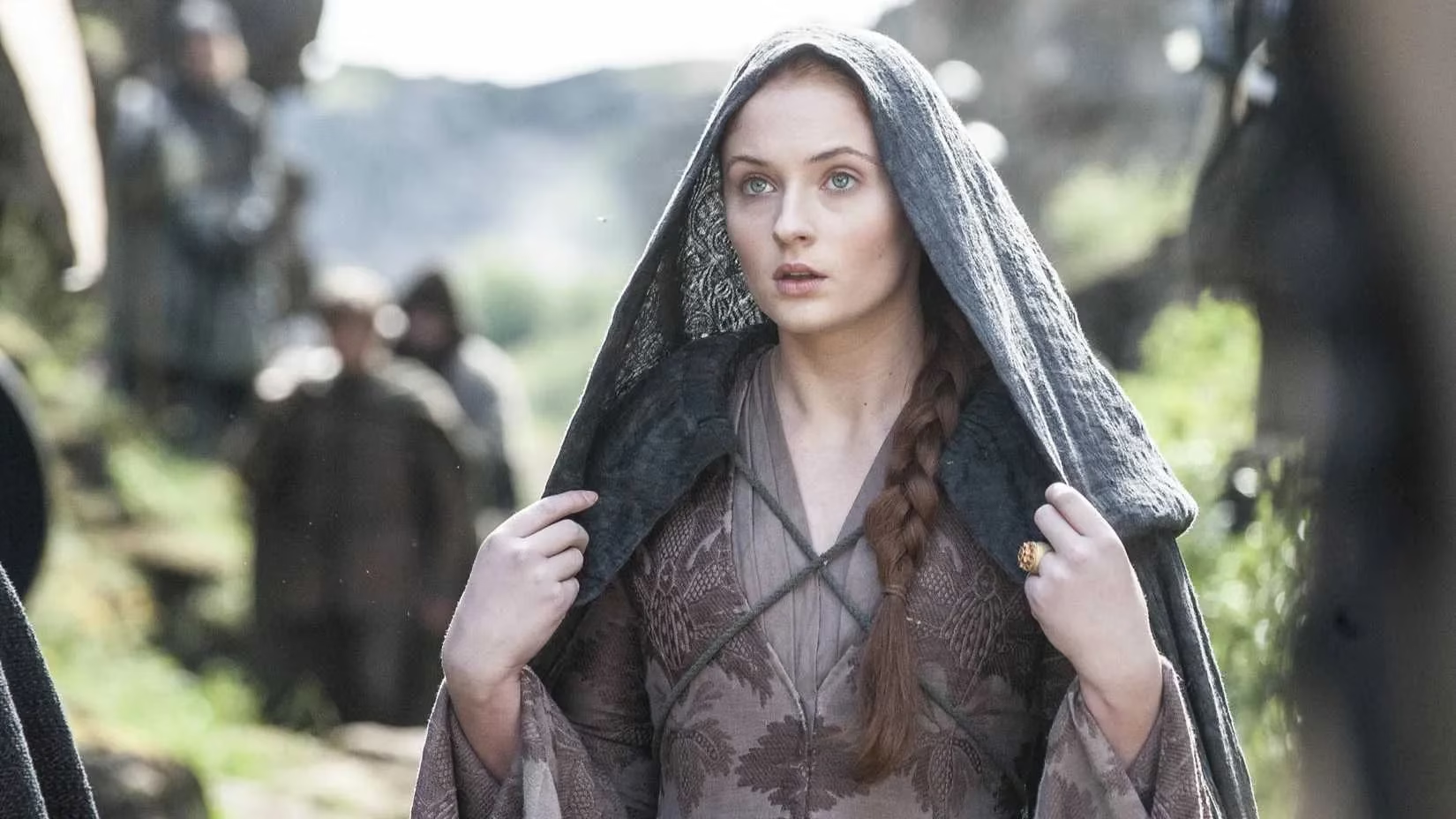
And here's the kicker, even now in 2026: we still don't have the next Song of Ice and Fire book. The TV show's massive success ironically meant George R.R. Martin had less time to write. So the adaptation outpaced the source, and the story had to be completed by different writers with a different vision. It's no wonder the ending felt... disjointed. Avatar never had that problem. Its creators were the pilots for the entire journey.
So, what's the lesson here for us story-loving gamers? It's all about vision and execution. A great story needs a clear destination and the flexibility to navigate there in a way that feels true to its world and characters. Avatar had that from day one. Game of Thrones, for all its early brilliance, lost the map halfway through. It's a stark reminder that the most hype, the biggest budget, and the most dragons can't save a story if its foundational narrative isn't solid from start to finish. One show built a legacy on a complete, heartfelt journey. The other... well, it's a cautionary tale about what happens when you run out of other people's pages. And honestly? That's the real twist ending.