
As a lifelong sci-fi enthusiast who's analyzed every frame of Blade Runner since its 1982 debut, I still get chills thinking about my first encounter with the theatrical cut. That version felt like watching a masterpiece through fogged goggles – Harrison Ford's monotone voiceover plastered over Ridley Scott's visionary dystopia like cheap graffiti on a Renaissance painting. Decades later in 2025, this studio-mandated narration remains the one unforgivable sin in an otherwise flawless cyberpunk symphony.
🔍 The Frankenstein Edits
Where most films get one director's cut, Blade Runner became a cinematic hydra with multiple versions:
-
Theatrical Cut (1982): Studio-mutilated with narration and happy ending
-
Director's Cut (1992): Scott's vision partially restored
-
Final Cut (2007): Definitive 4K restoration approved by Scott
-
Workprint Edition: Raw pre-release version
Christopher Nolan still champions the theatrical version, but let's be real – it's like preferring a photocopy to the original Van Gogh. The narration wasn't just unnecessary; it actively sabotaged the film's DNA.
🎙️ The Narration Nightmare
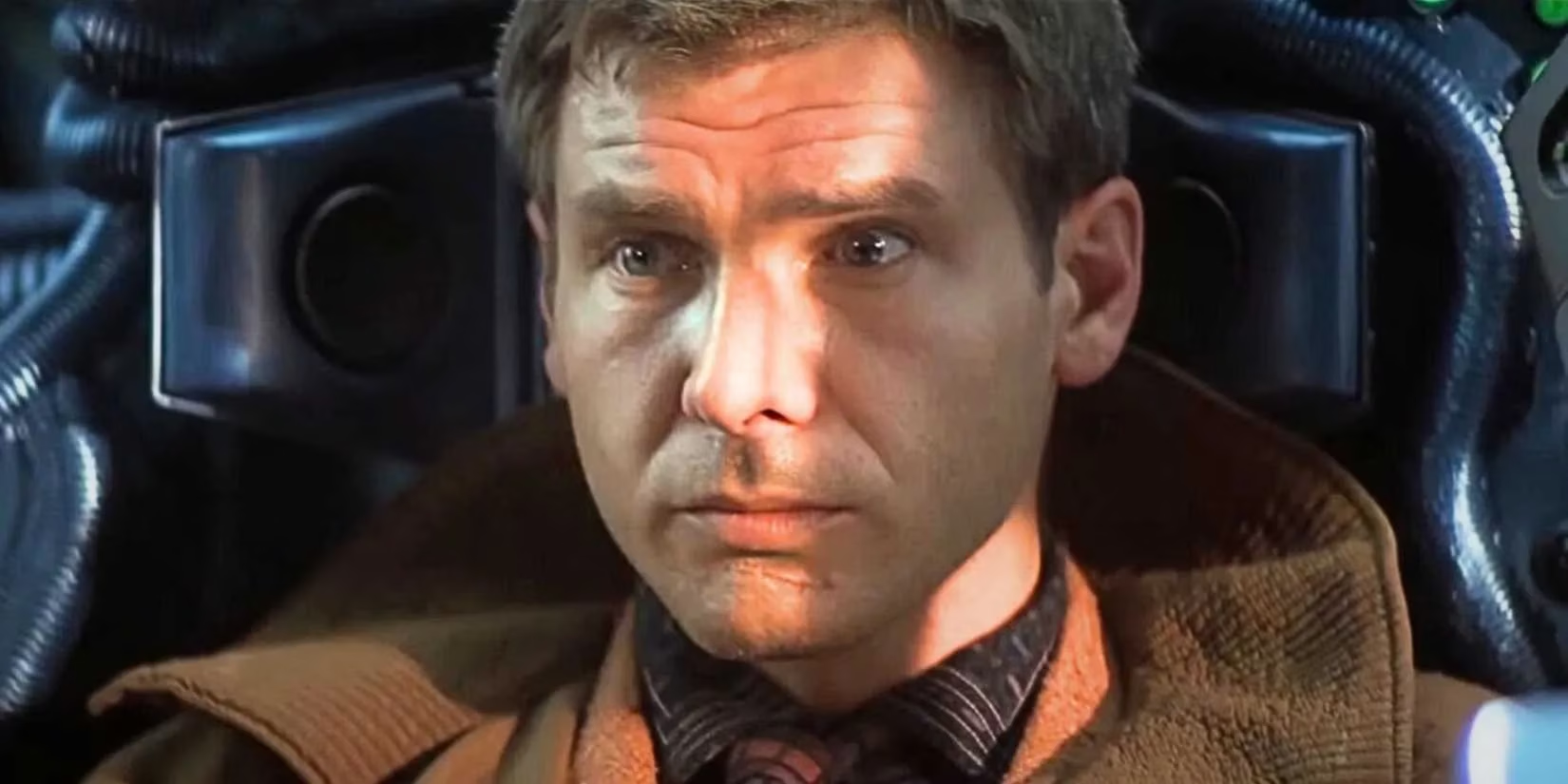
Ford himself called it "patronizing and unnatural" – and that's being generous. Remember that delicate moment when Deckard's feelings for Rachael emerge through subtle glances? The theatrical cut steamrolls it with Ford droning: "I knew it on the ride to the station. They didn't design these moments to be spoiled with clumsy exposition. It's like having Shakespeare's soliloquies replaced with TikTok captions.
Worse yet? Ford delivered the lines with all the enthusiasm of a tax auditor reading warranty terms. Rumors swirled for years that he intentionally tanked the recording – a claim he denied, but honestly? I wouldn't blame him.
🔁 Rewatch Roulette
Blade Runner demands multiple viewings to catch its philosophical nuances and visual poetry. But the theatrical version? It transforms rewatches into endurance tests. That narration grates like:
-
A mosquito buzzing in your ear during meditation
-
Someone explaining chess while you're mid-checkmate
-
A GPS voice narrating your anniversary dinner
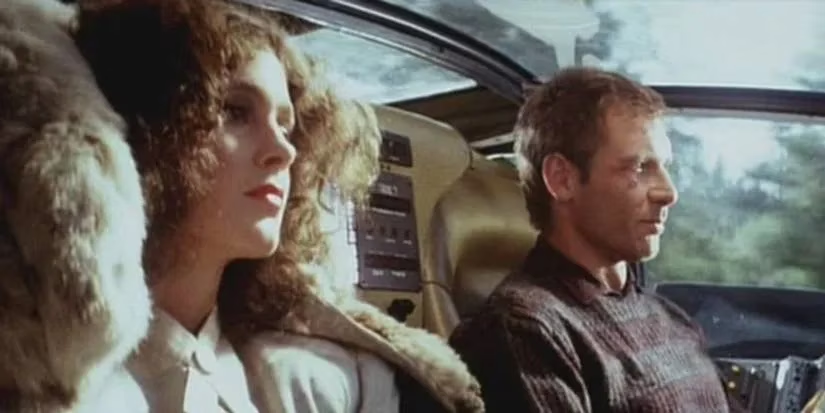
And don't get me started on the "happy" ending. By revealing Rachael has no lifespan limit, it completely neuters Roy Batty's profound "tears in rain" monologue about mortality. Deckard's choice loses all weight – it's like watching someone risk everything for a lottery ticket they already know is a winner.
❓ People Also Ask
-
Why did studios force the narration? Fear of audiences not "getting" the complex plot – a 1980s trend that aged like milk left in a replicant's apartment.
-
Which cut should new viewers watch? The Final Cut, period. It's the purified essence of Scott's vision.
-
Does narration exist in other Blade Runner media? Thankfully no – the 2049 sequel wisely avoided this mistake like toxic waste.
🤔 Final Replicant Thoughts
Forty-three years after its release, Blade Runner's multiple cuts raise haunting questions: When does studio "help" become artistic vandalism? Are some films too fragile for corporate fingerprints? Like a Voight-Kampff test for cinema itself, these versions probe what happens when commerce clashes with creation. Perhaps the true measure of a masterpiece isn't its perfection, but how fiercely we fight to preserve its soul against the corporate machines. 💫